A building takes shape just as much from the ground as it does from the sky. While traditional architectural photography captures facades, volumes, and the play of light at eye level, it does not always show how a project fits into its surroundings, the shape of a roof, or the coherence of an architectural complex when viewed from above. This is where drone photography comes in—a service increasingly sought after by architects, developers, and construction companies in Normandy. More and more clients are making this a standard part of the initial brief, requesting a photography package that systematically combines ground-level and aerial shots.
Why Include an Aerial View in an Architecture Feature?
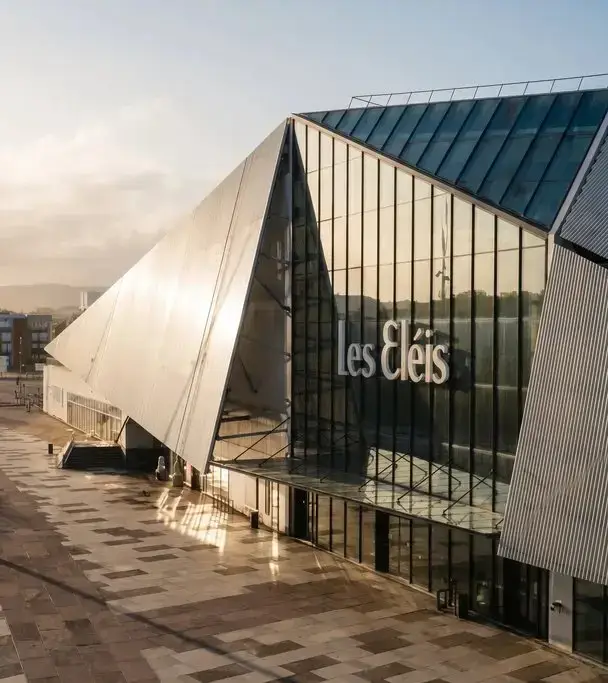
Architectural photography taken from the ground highlights a building’s unique materials, textures, and perspectives. But certain elements—such as a green roof, an interior courtyard, or the building’s overall layout on a lot—can only be fully appreciated from the air. Including a few drone shots in a photo essay helps tell a more complete story, showcasing both the architectural details and the big picture of the project. It’s also an effective way to highlight a building’s integration into the landscape—a criterion that is increasingly emphasized in architectural competitions and environmental certification applications.
Which projects benefit most from drones?
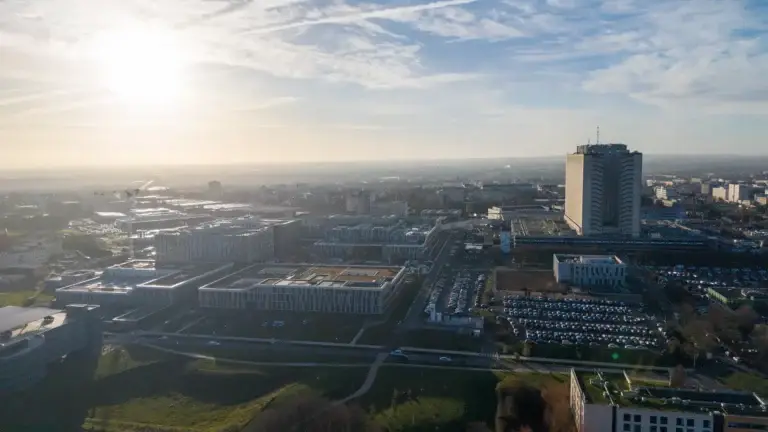
New construction projects, large-scale renovations, and buildings with unusual shapes are the first to benefit from this aerial perspective. For these projects, the Drone Normandie team employs DGAC-certified drone pilots capable of capturing precise footage even in dense urban areas. The result: imagery that showcases the roof, the surrounding area, parking facilities, and green spaces—all elements that contribute to the overall perception of a project. These aerial images are also used in press kits, submissions for architectural awards, and sales marketing materials, where they offer a perspective that few competitors currently provide.
Commercial Real Estate: A Common Use Case
Whether it’s a corporate headquarters, a logistics warehouse, or a shopping center, an aerial view serves an almost marketing-oriented purpose: it highlights the site’s accessibility, parking facilities, loading areas, and proximity to major roadways. Our corporate real estate photography services readily incorporate this type of supplementary imagery to create marketing and communication materials that are more compelling to investors and prospective tenants. This type of visual content also reassures management teams, providing them with clear materials to present the site during board meetings or visits from financial partners. For comprehensive video documentation of the construction site, including time-lapse footage and regular updates, Chantier 911 offers specialized services in Normandy.
A Construction Site Becomes a Building: The Connection to Construction Site Monitoring
The need for aerial views isn’t limited to the completed building. Many of our clients reach out to us even during construction to document the progress of the work before final delivery. Our photographic construction site monitoring naturally combines with drone footage, taken at regular intervals to track the project’s progress from earthwork through to the handover of the keys. In the field of aerial photography, Drone Normandie remains our go-to provider in Normandy.
How Does a Combined Photo and Drone Shoot Work?
In practice, a combined shoot is organized as a single visit: drone shots are taken first, depending on the weather and lighting conditions, and then supplemented by a traditional photo shoot on the ground. This approach minimizes travel and ensures consistent lighting between the two types of images. The final deliverable thus includes a selection of aerial shots and ground-level photographs, ready for use on a website, in a press kit, or in a promotional brochure. A shooting plan is generally drawn up in advance to list the priority angles and avoid unnecessary back-and-forth on site.
In summary
Including drone shots in an architectural photography project isn’t always necessary, but it becomes relevant whenever a project benefits from being shown in its entirety: a new development, a corporate site, or a construction site in progress. In Caen and Normandy, this synergy between the photographer’s perspective and that of the drone makes it possible to produce richer visuals that are better suited to the communication needs of architects, developers, and businesses.