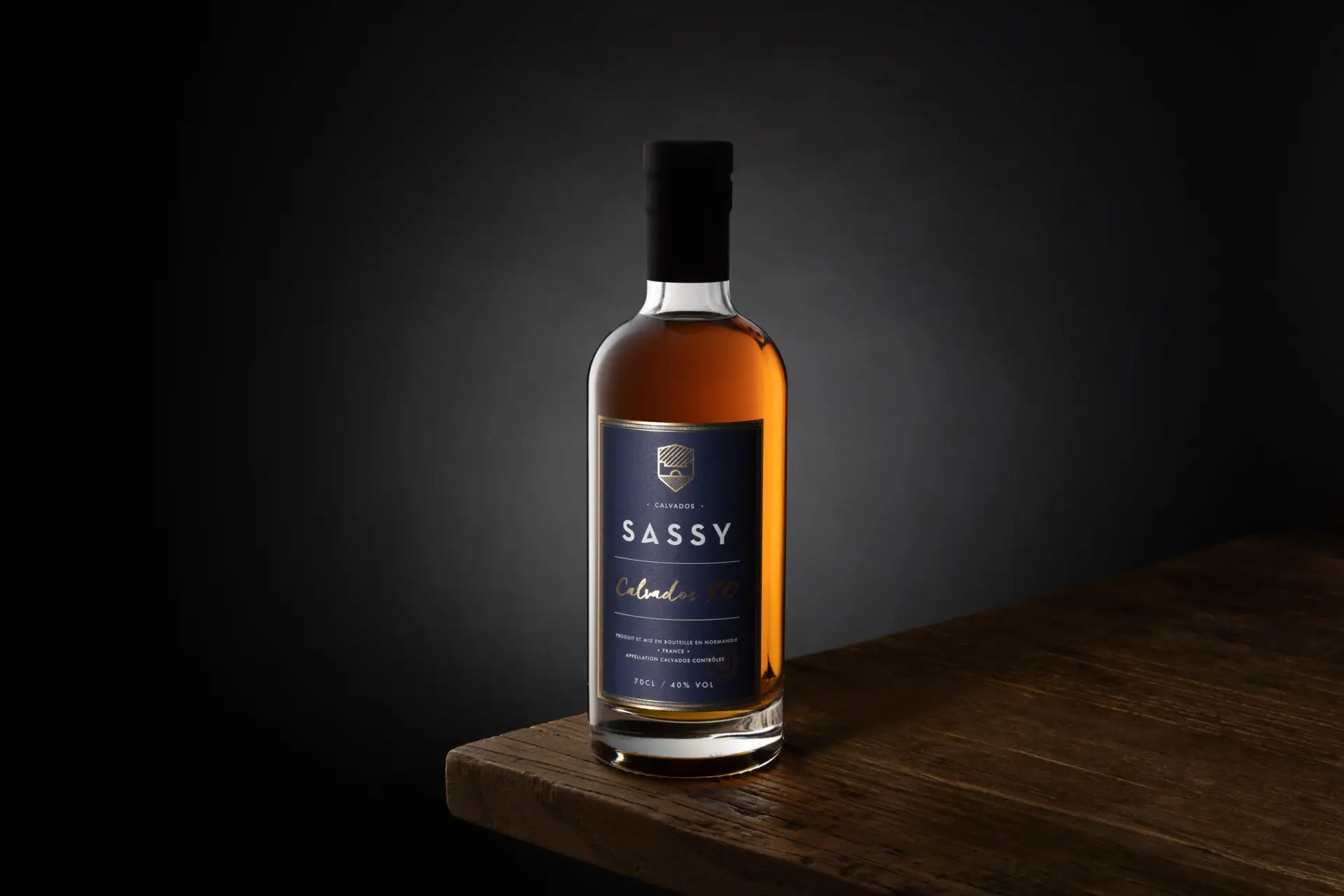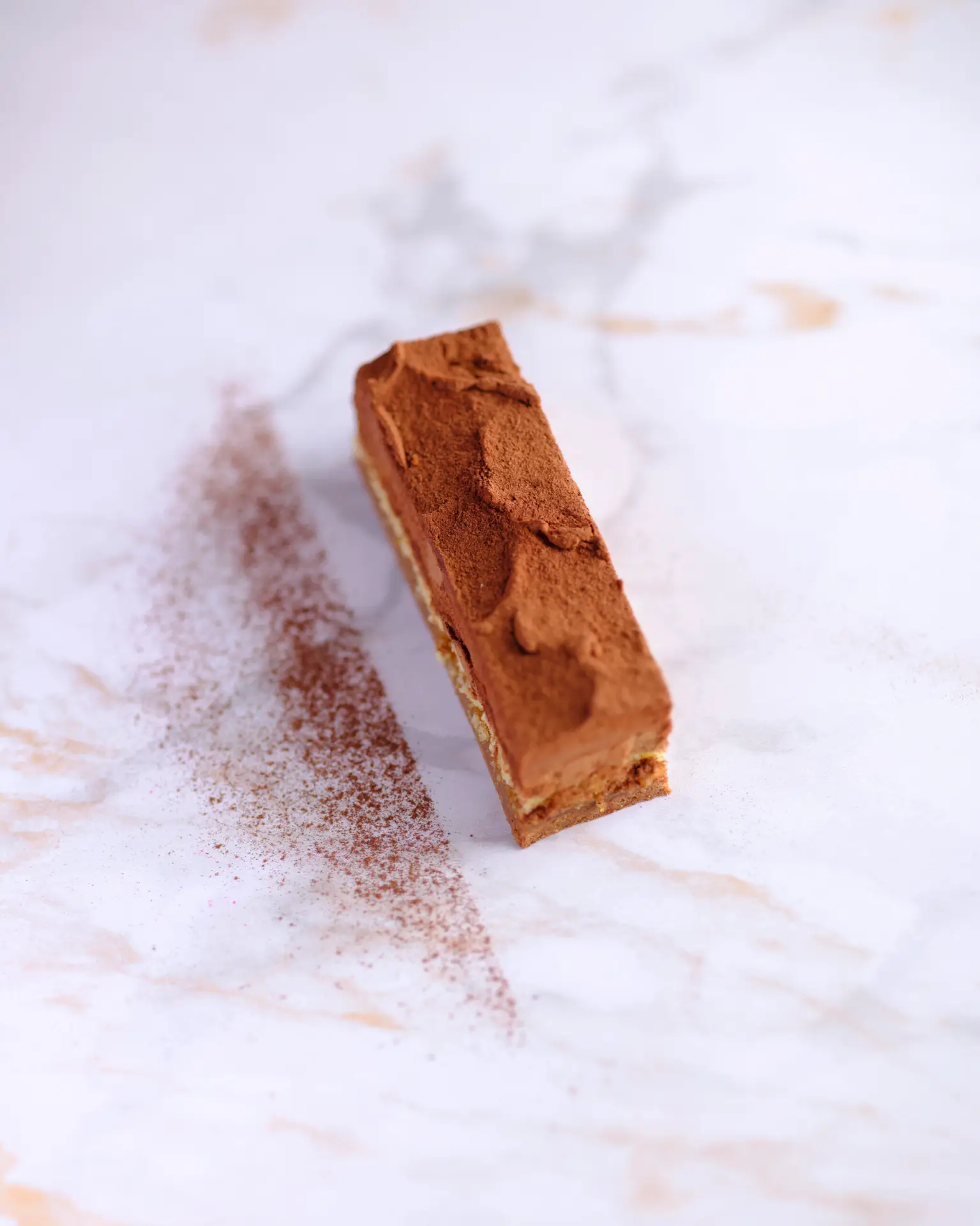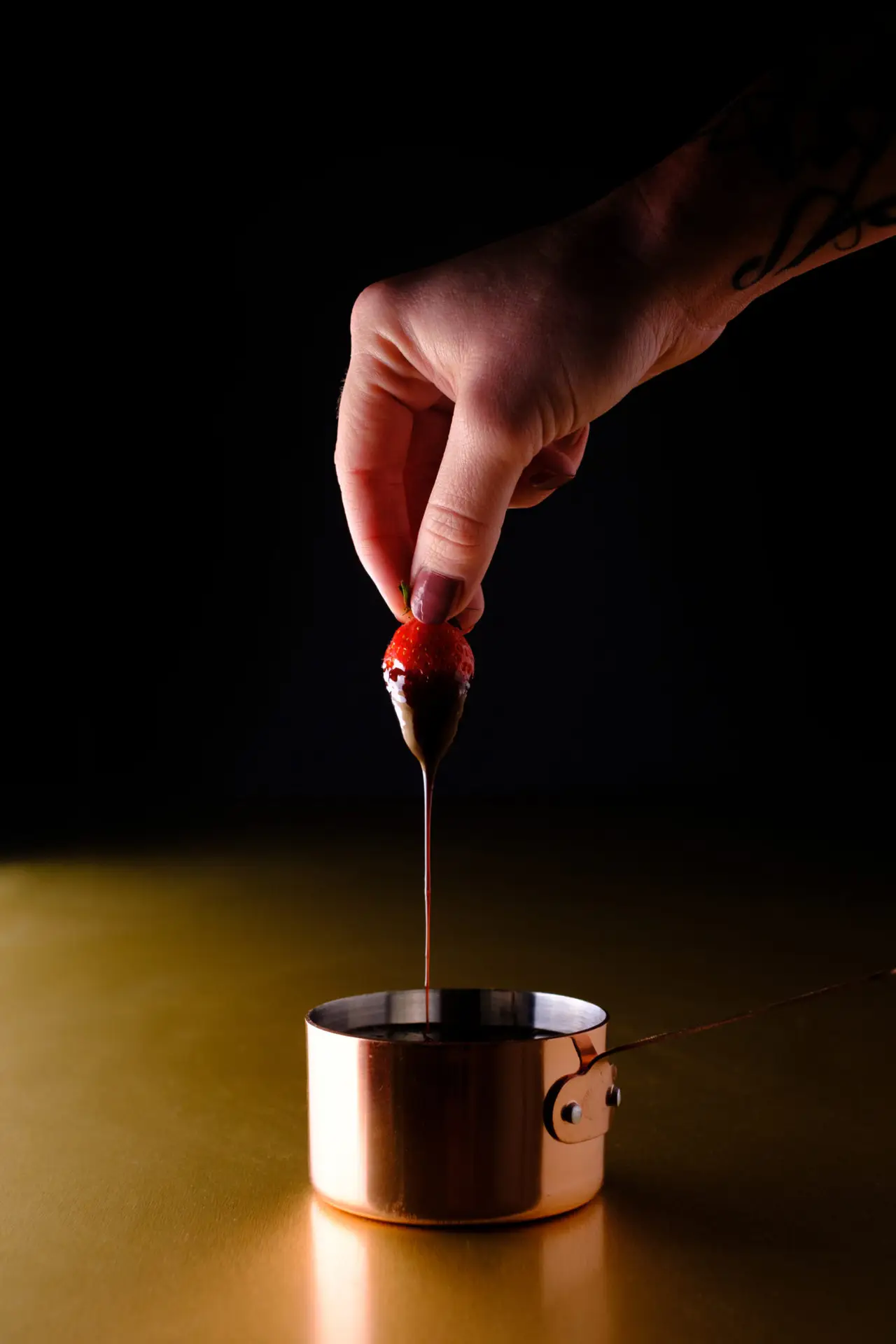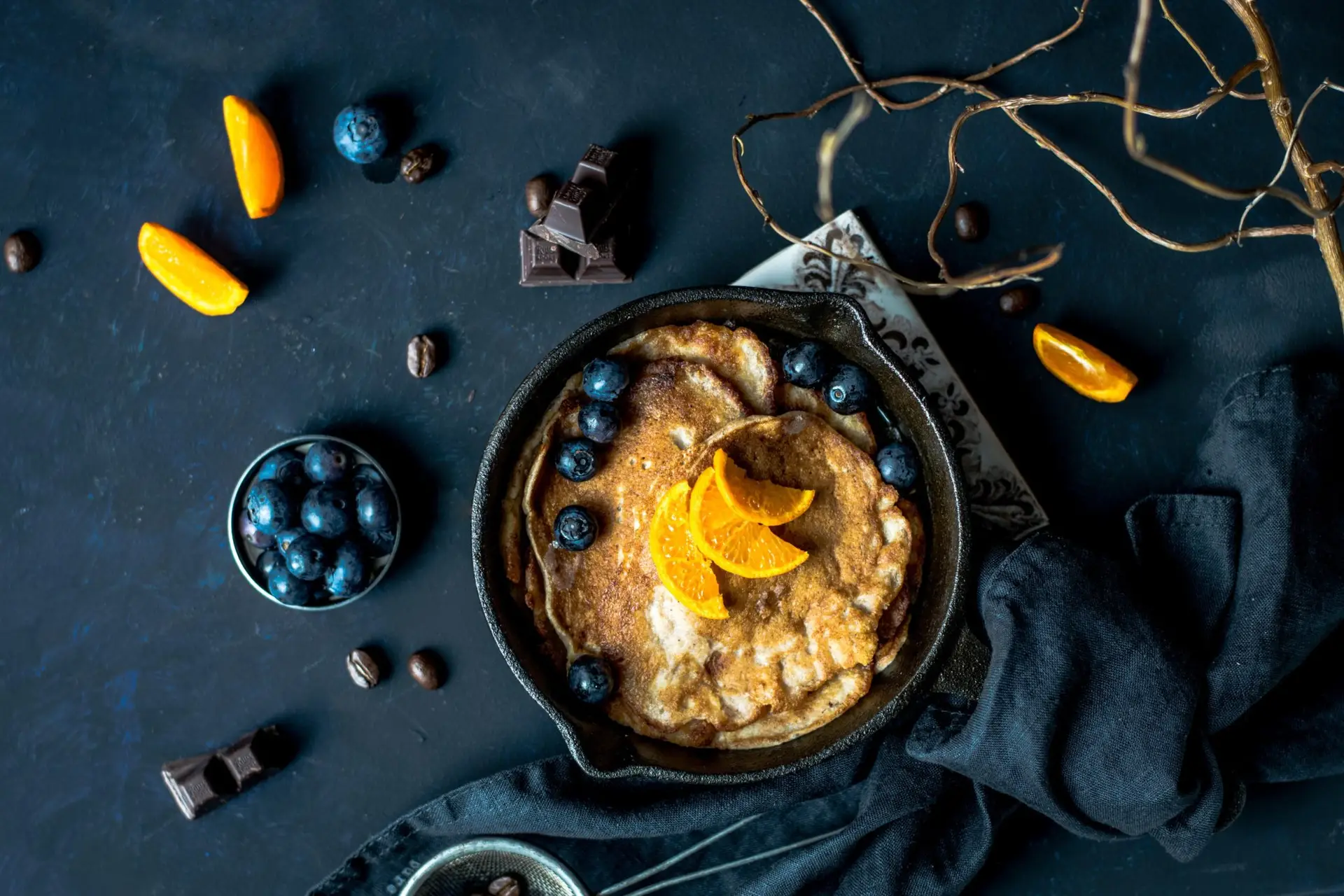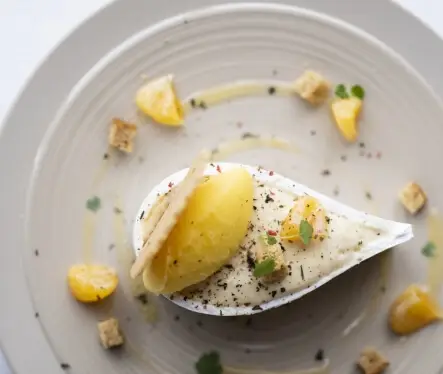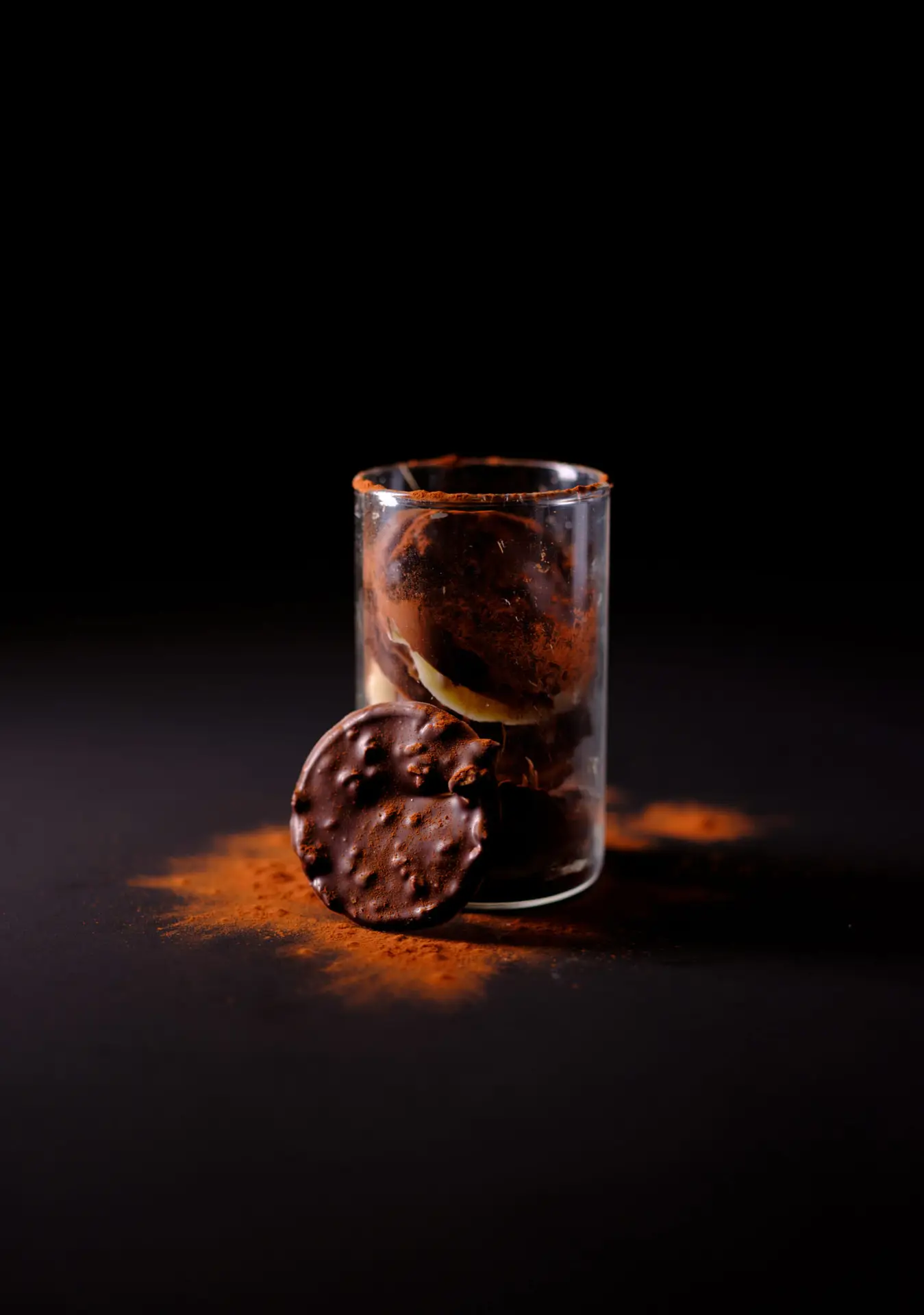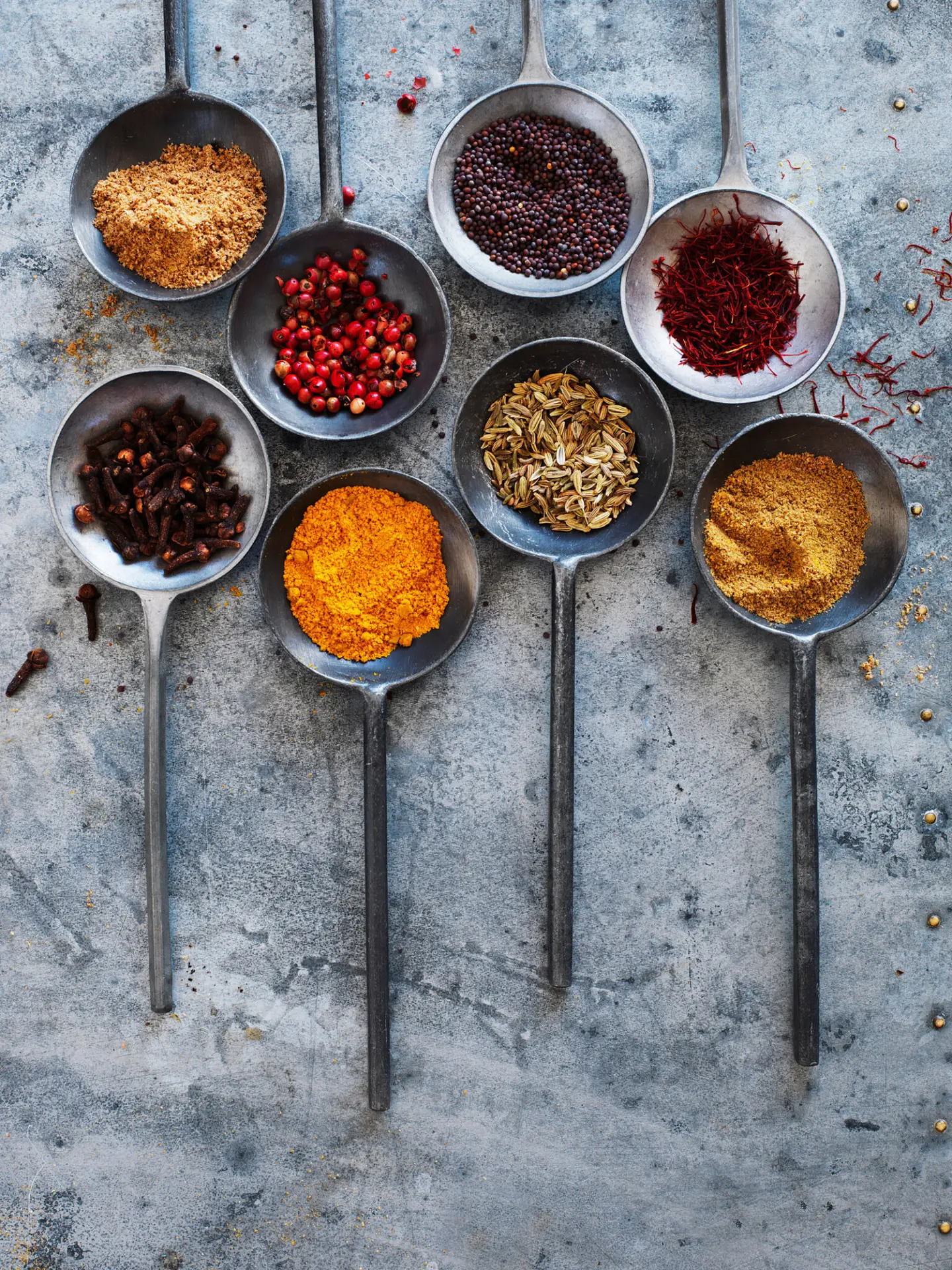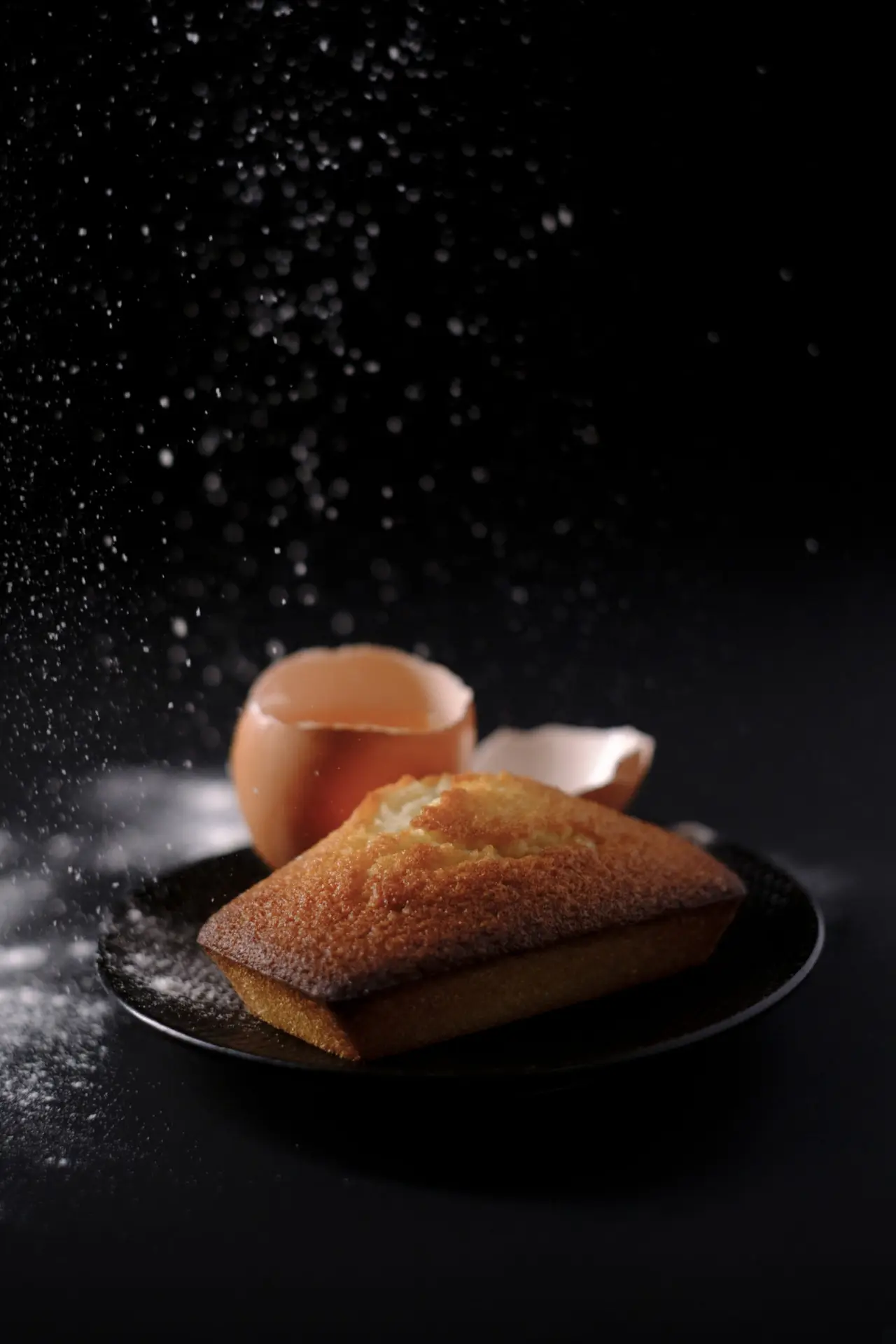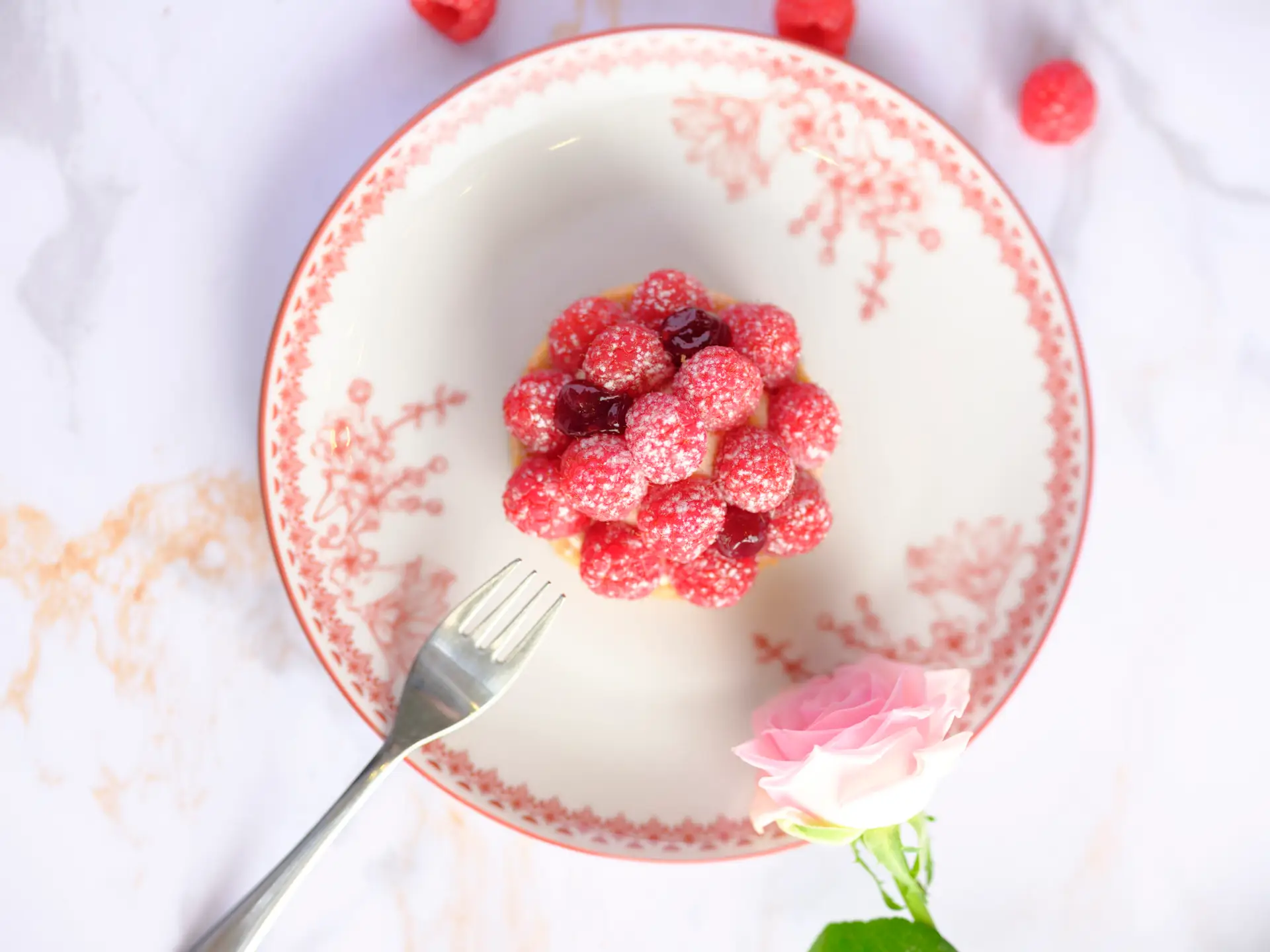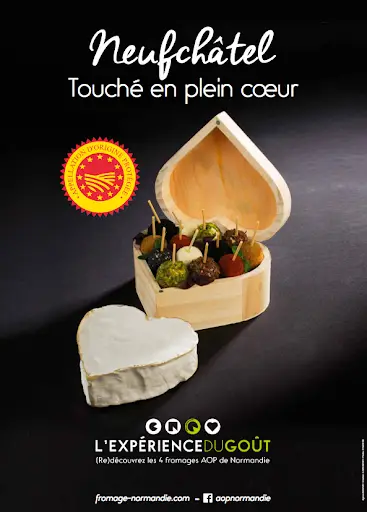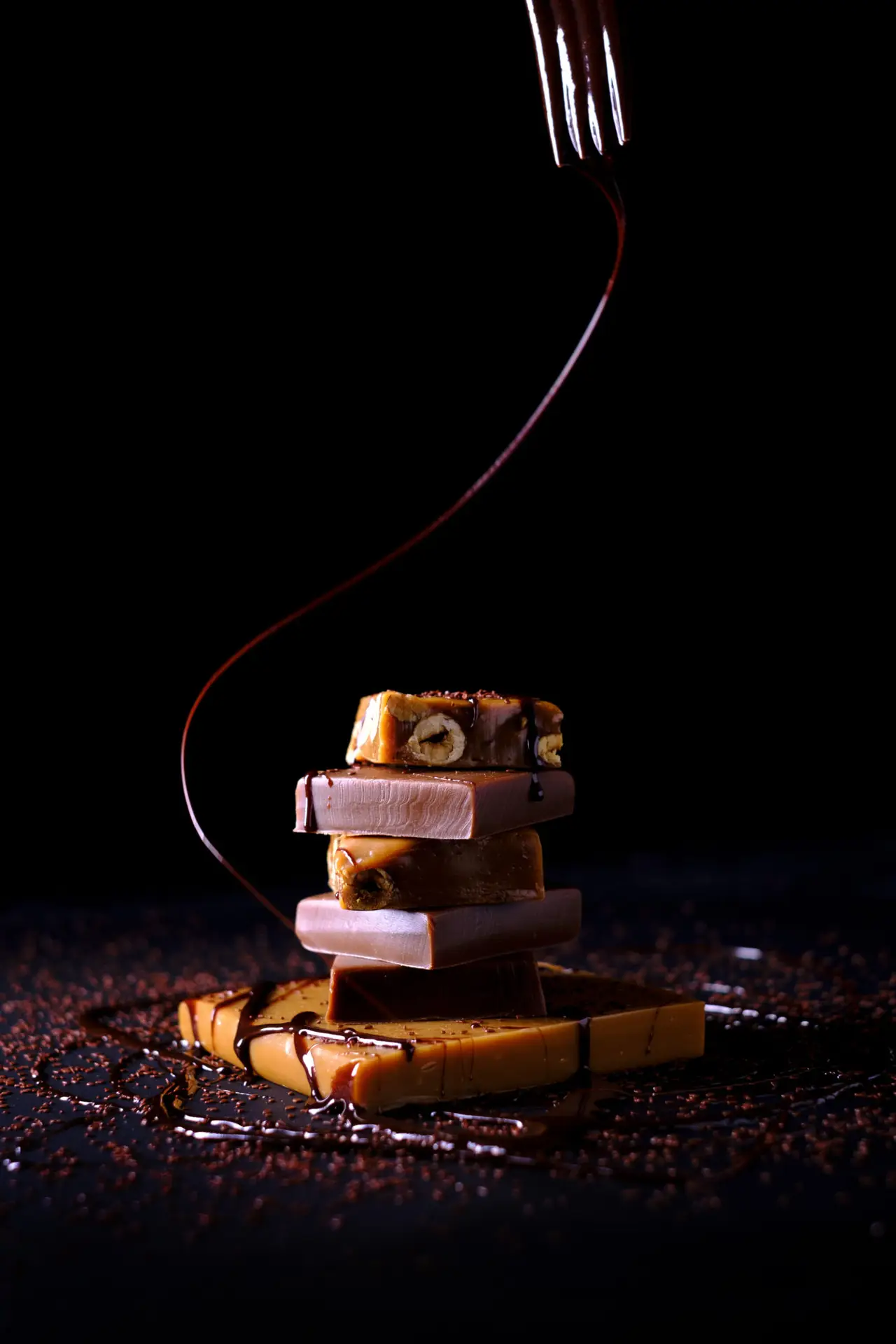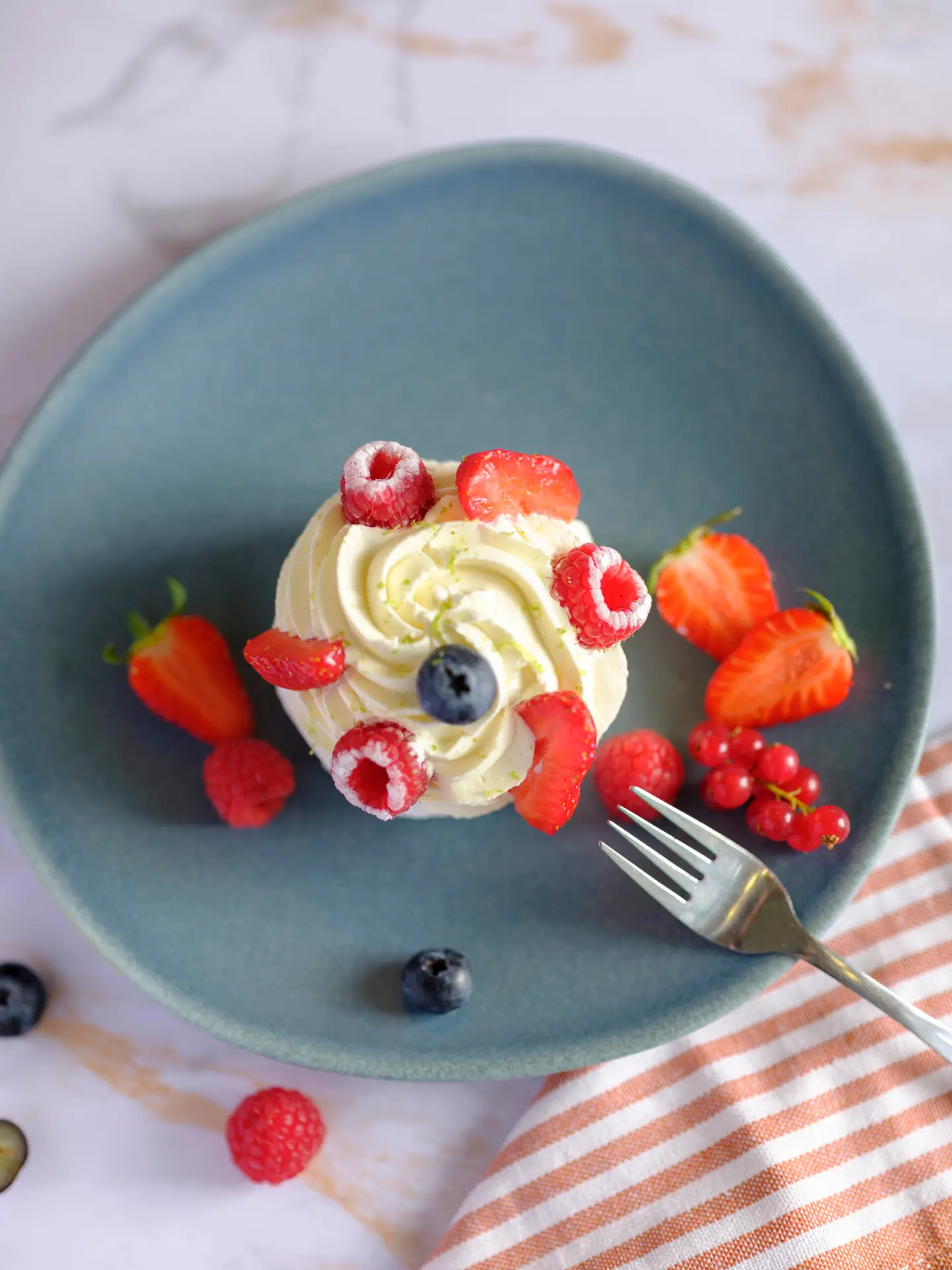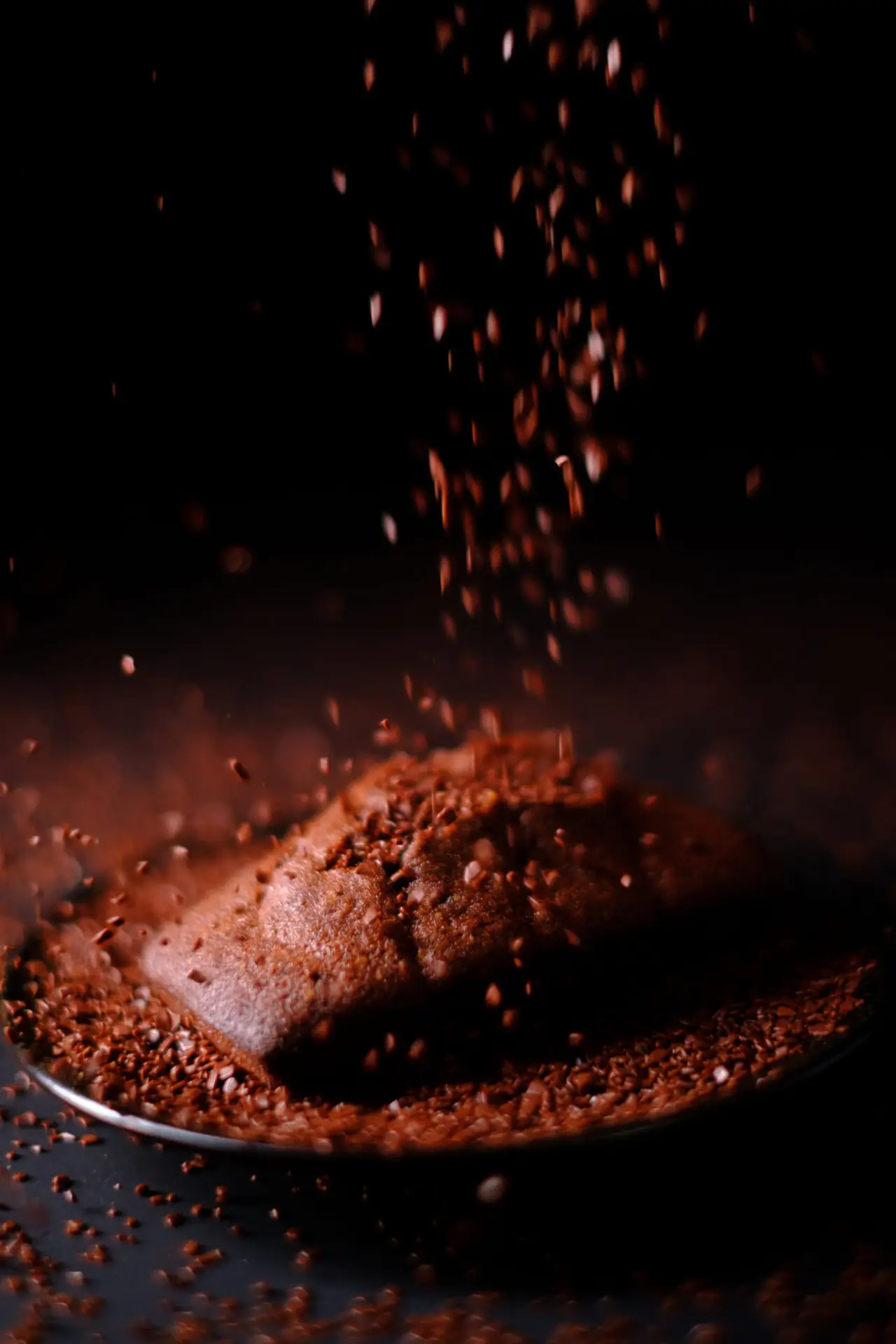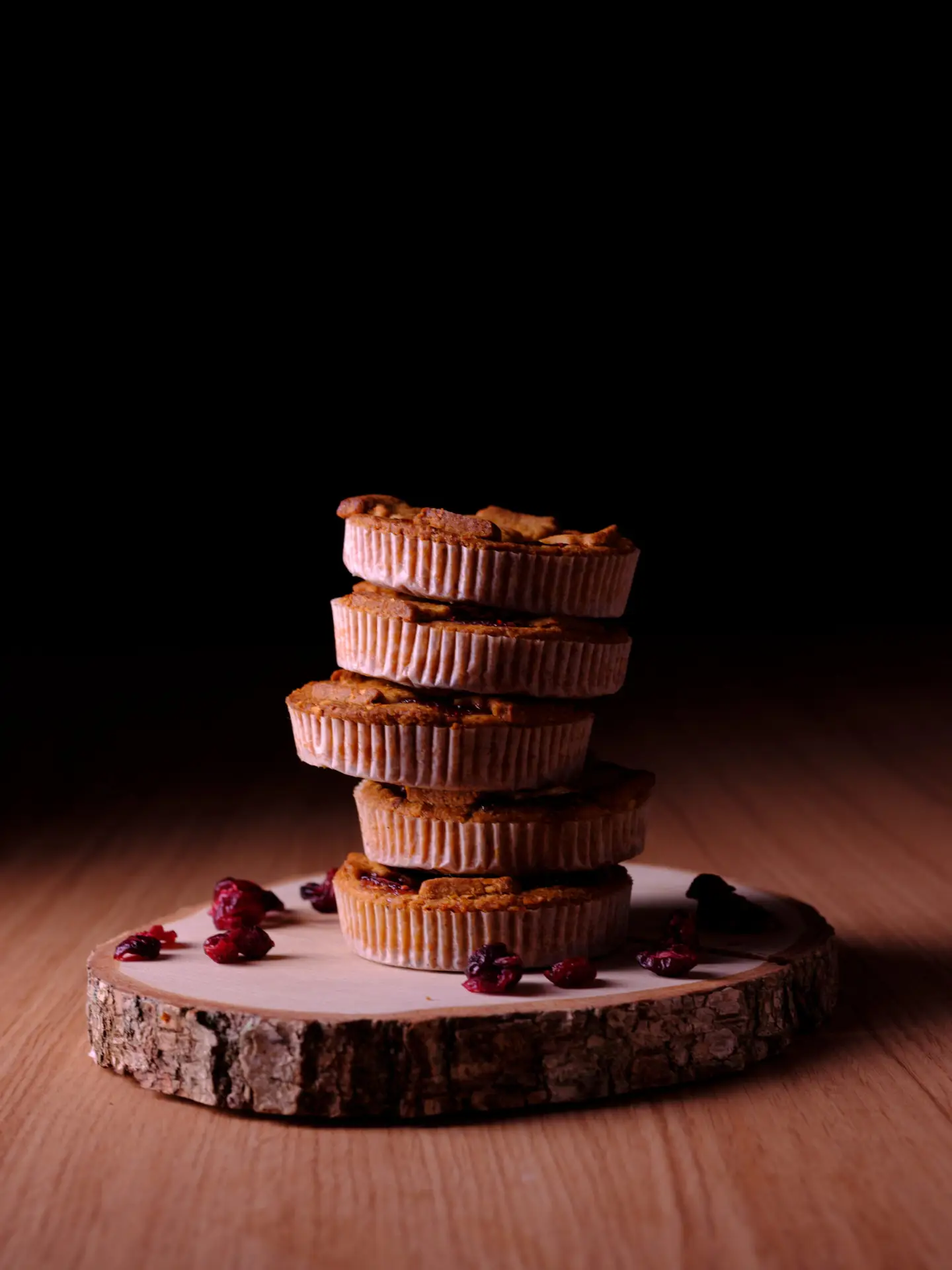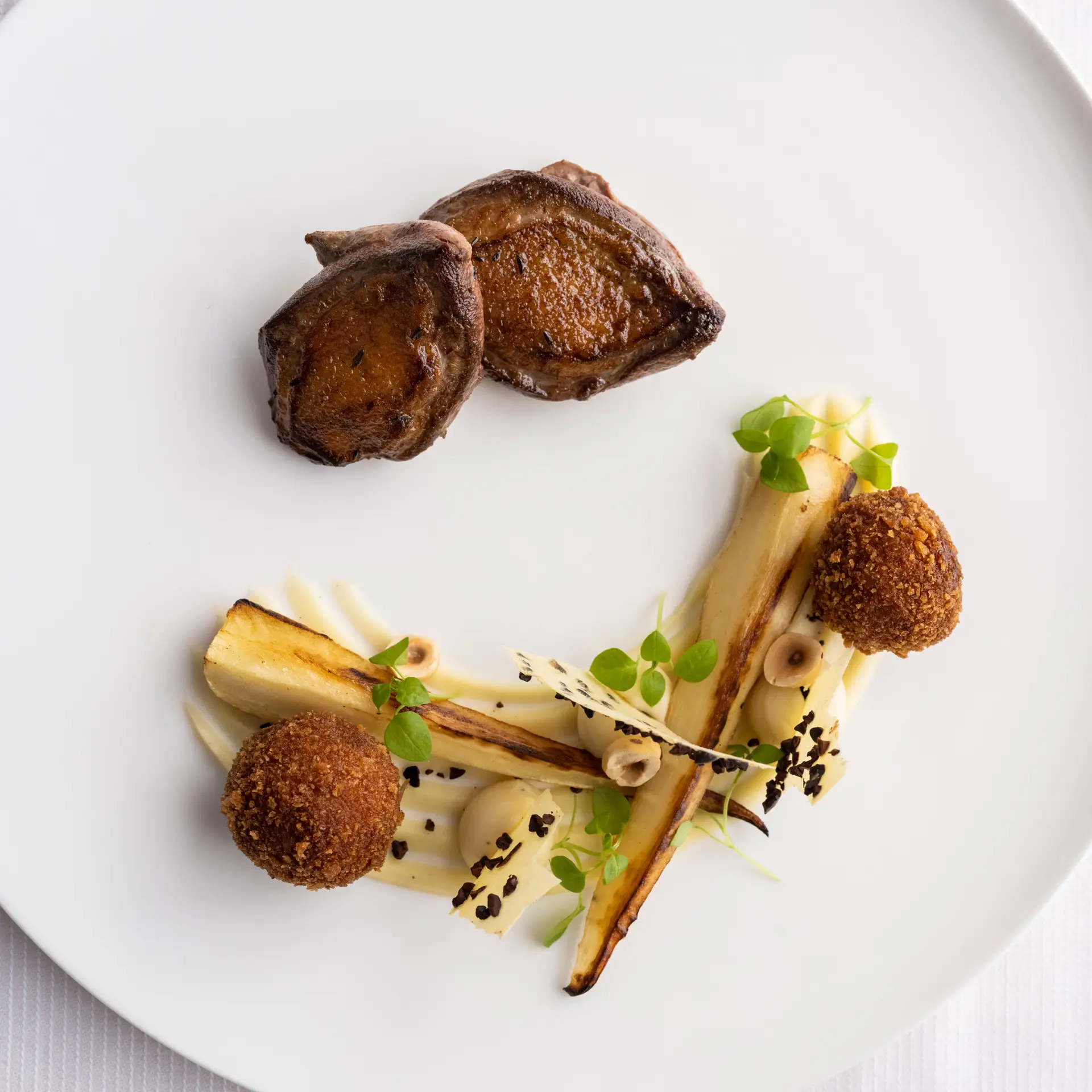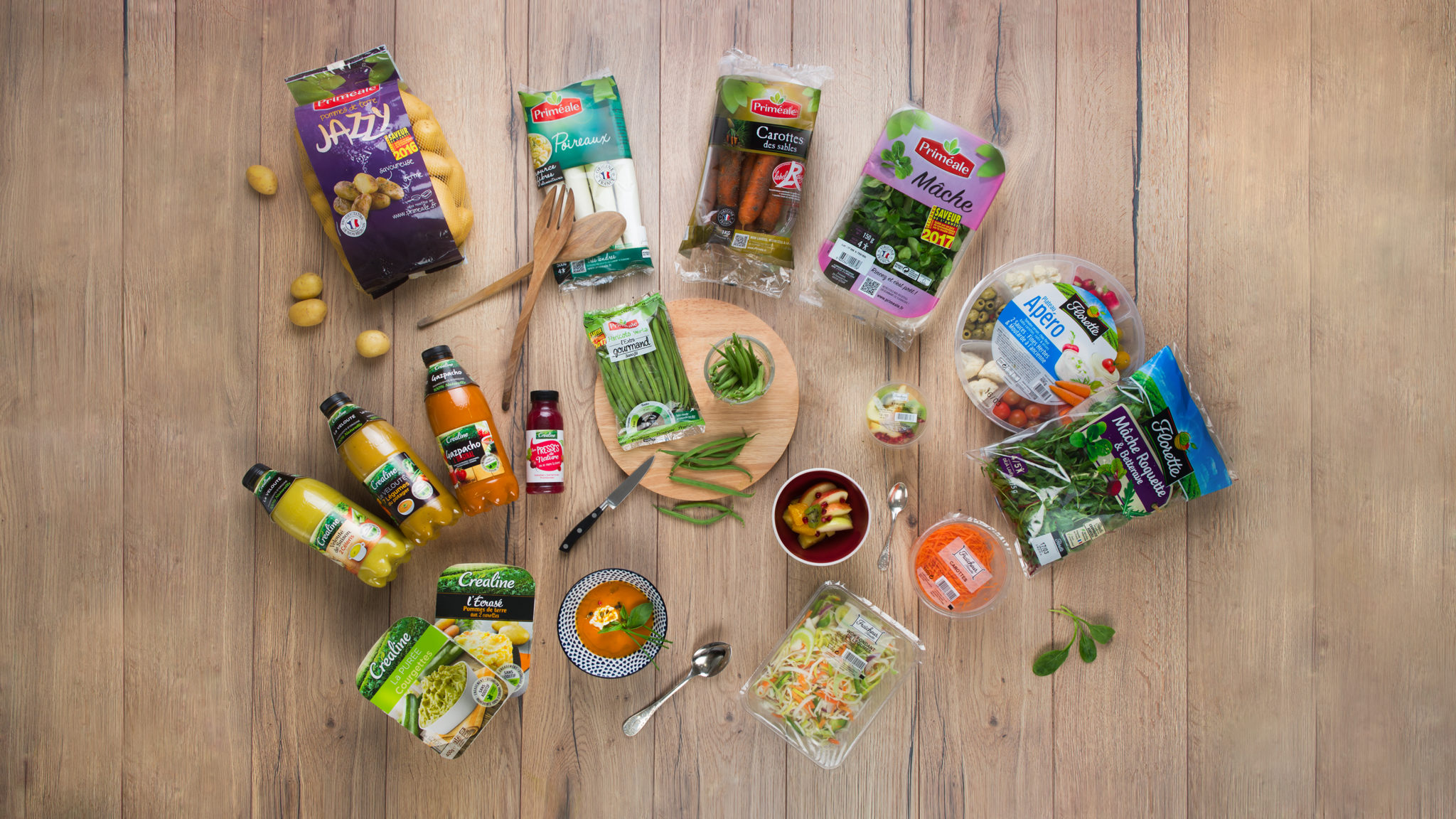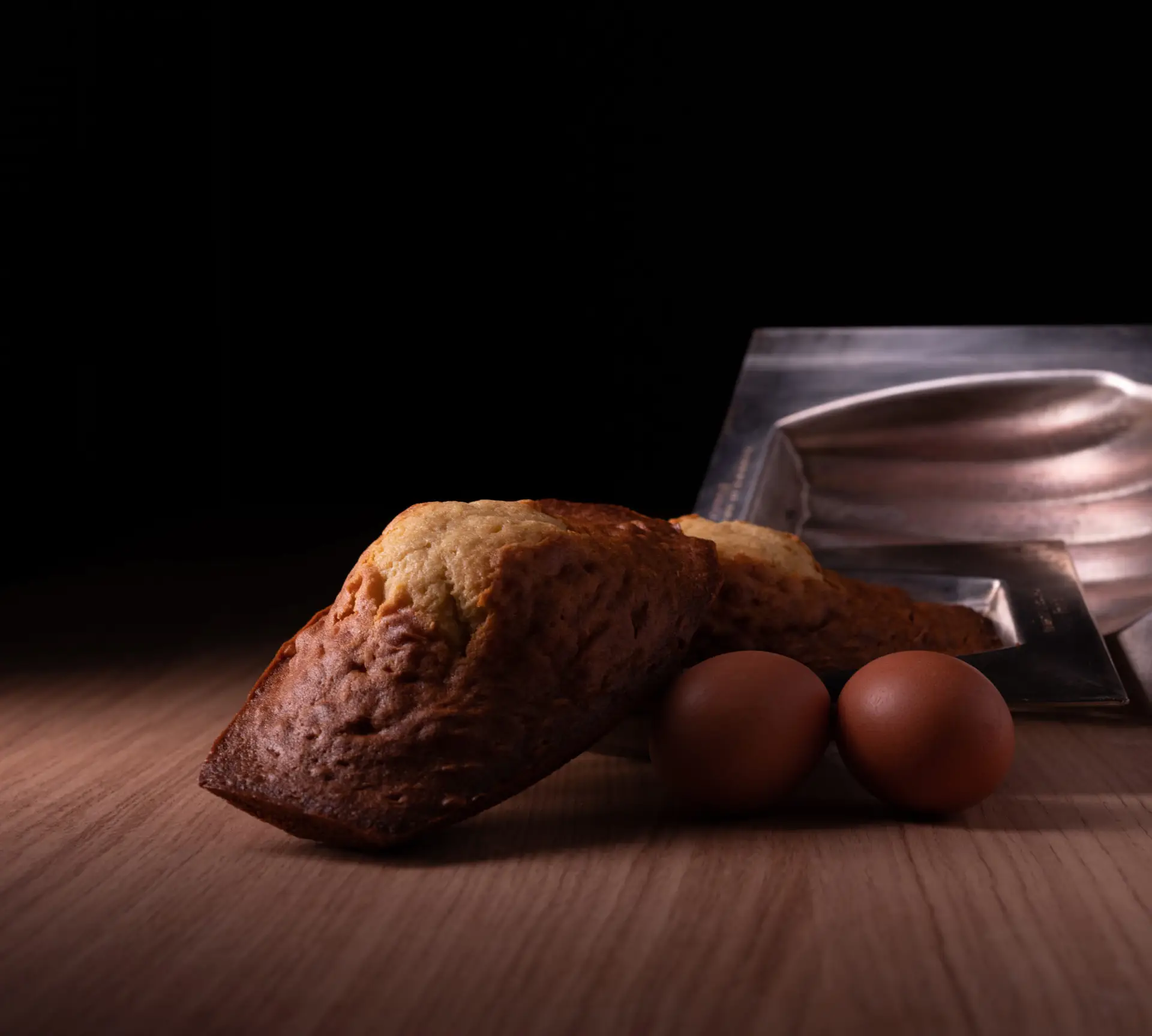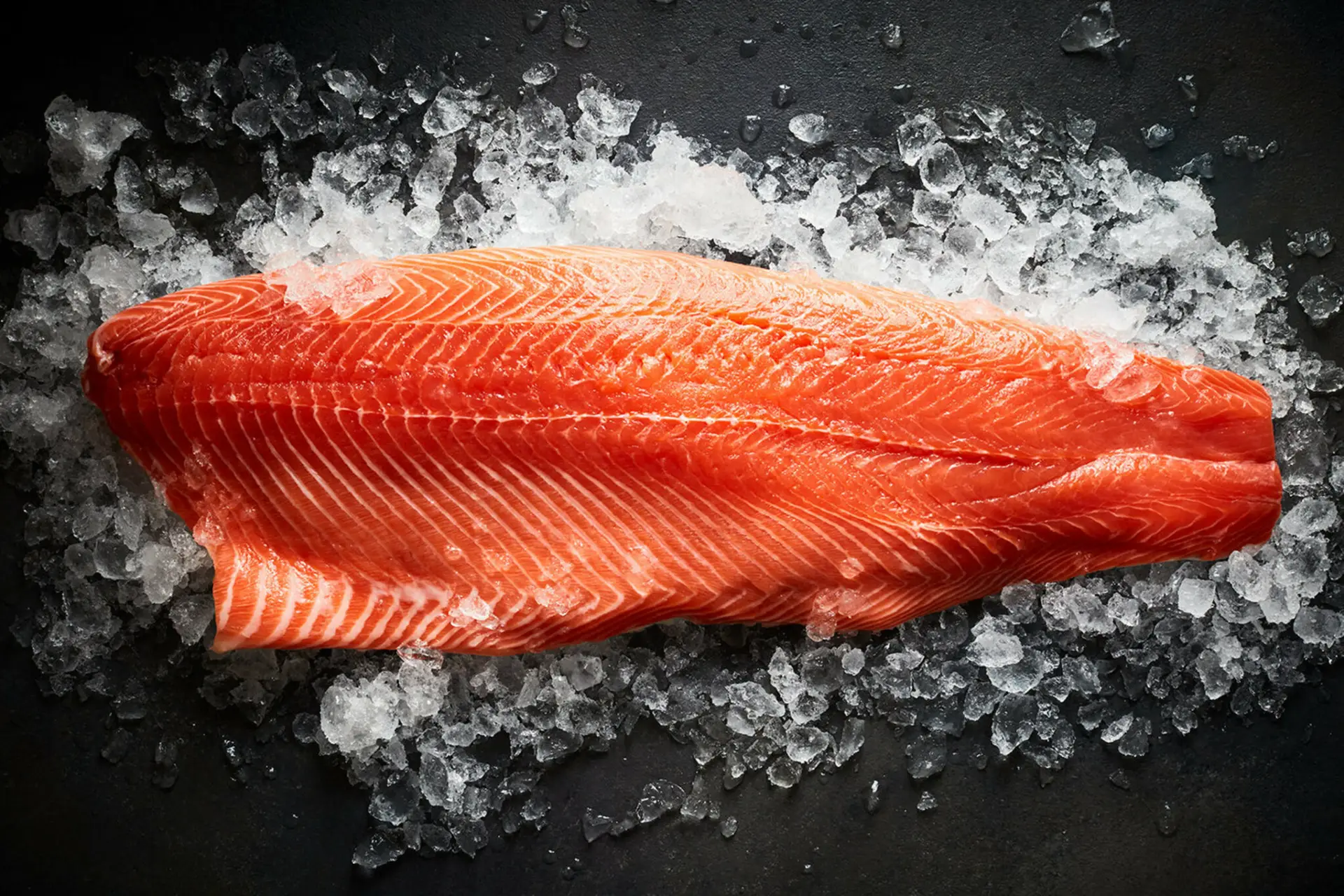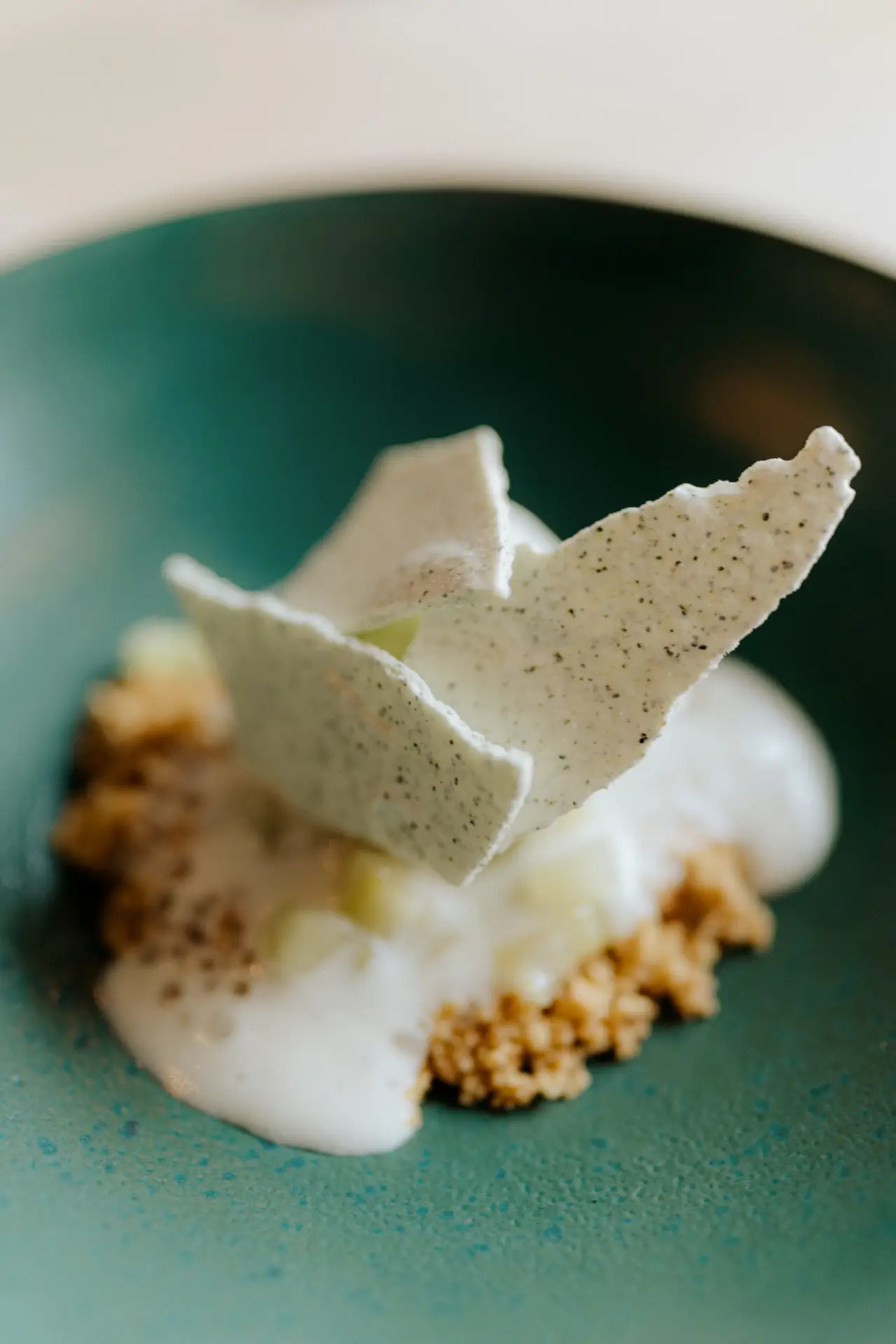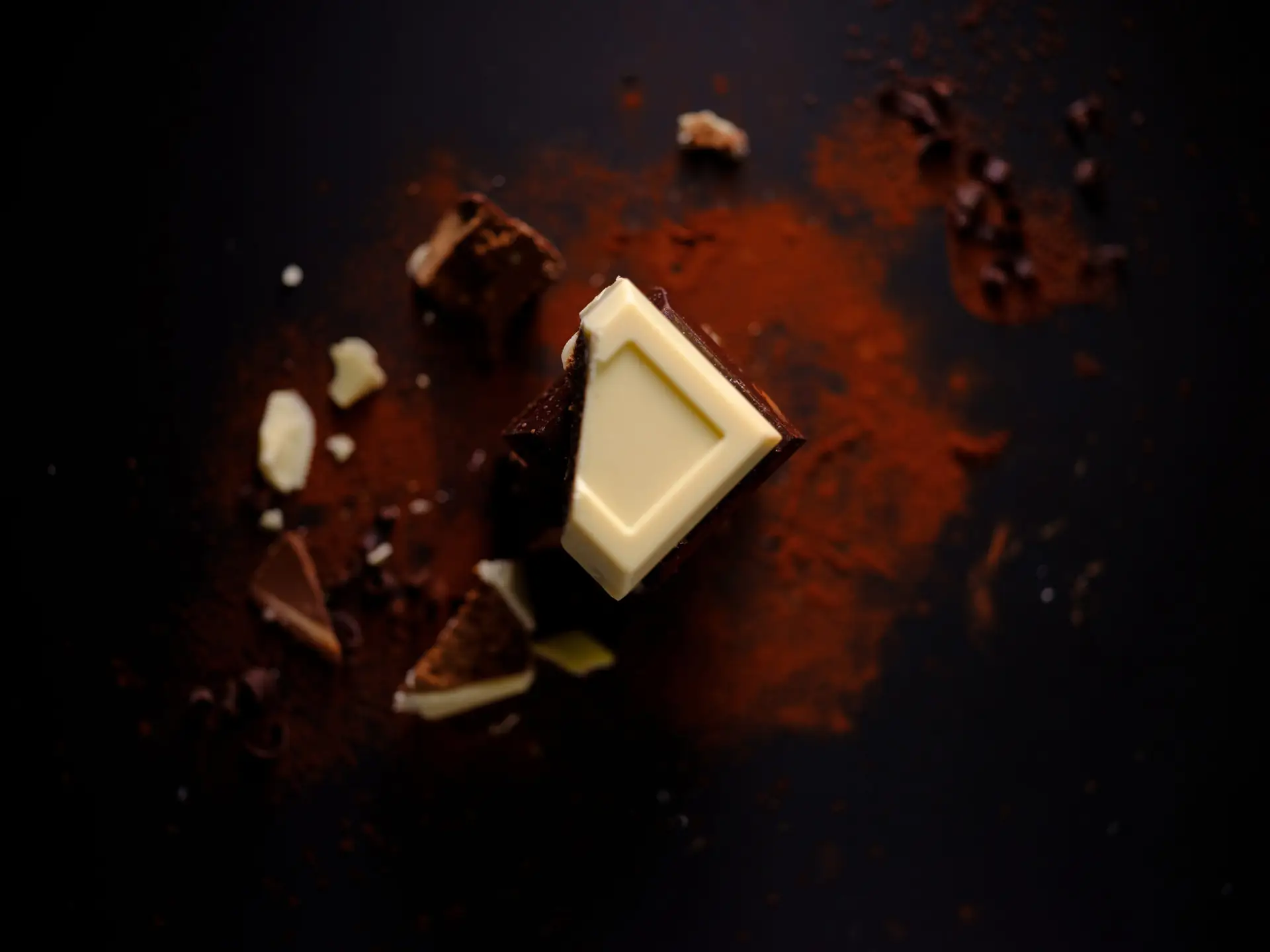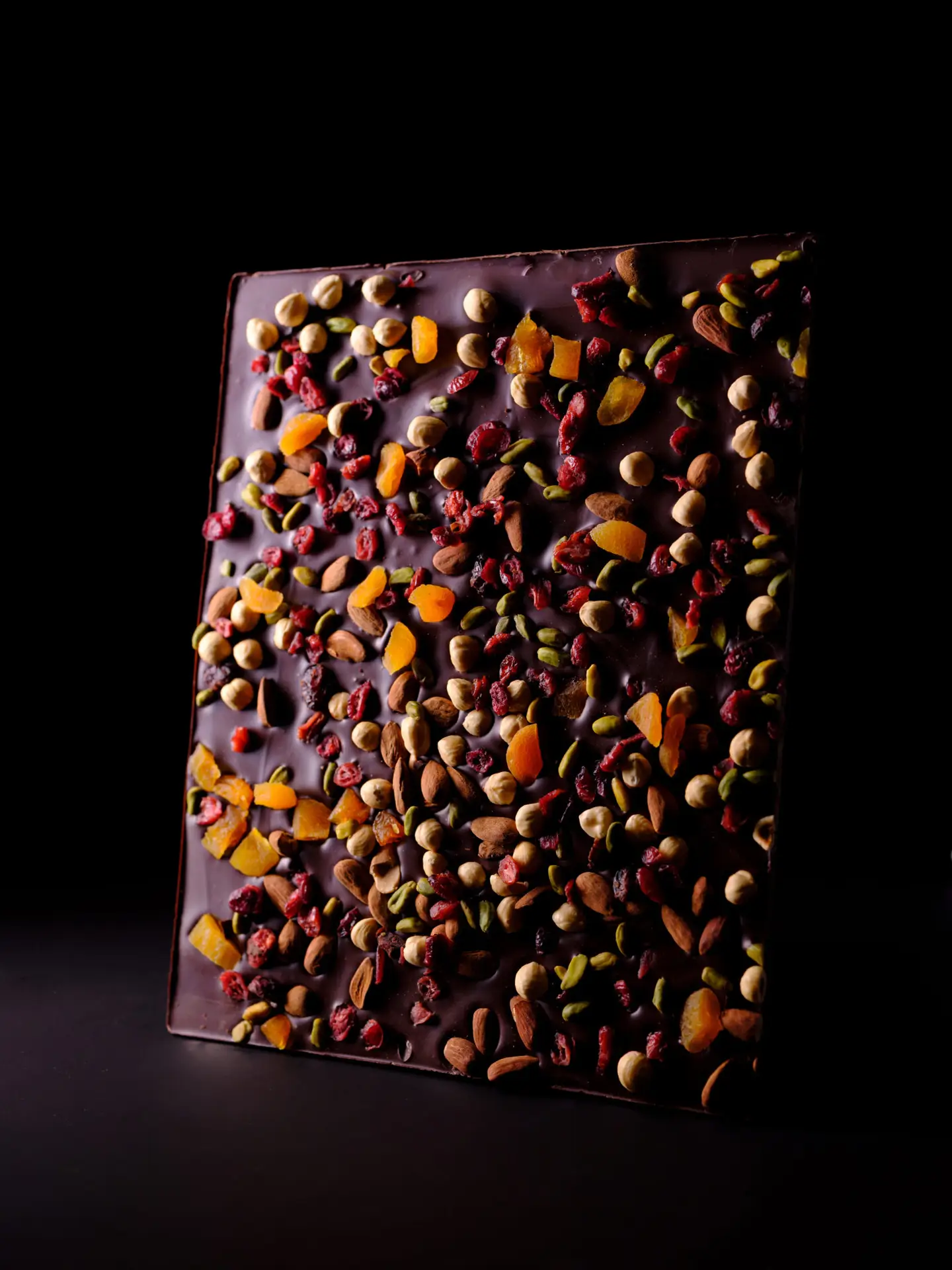
Enter a world where each plate becomes a work of art, where colors, textures and light combine to tell a story of flavors.
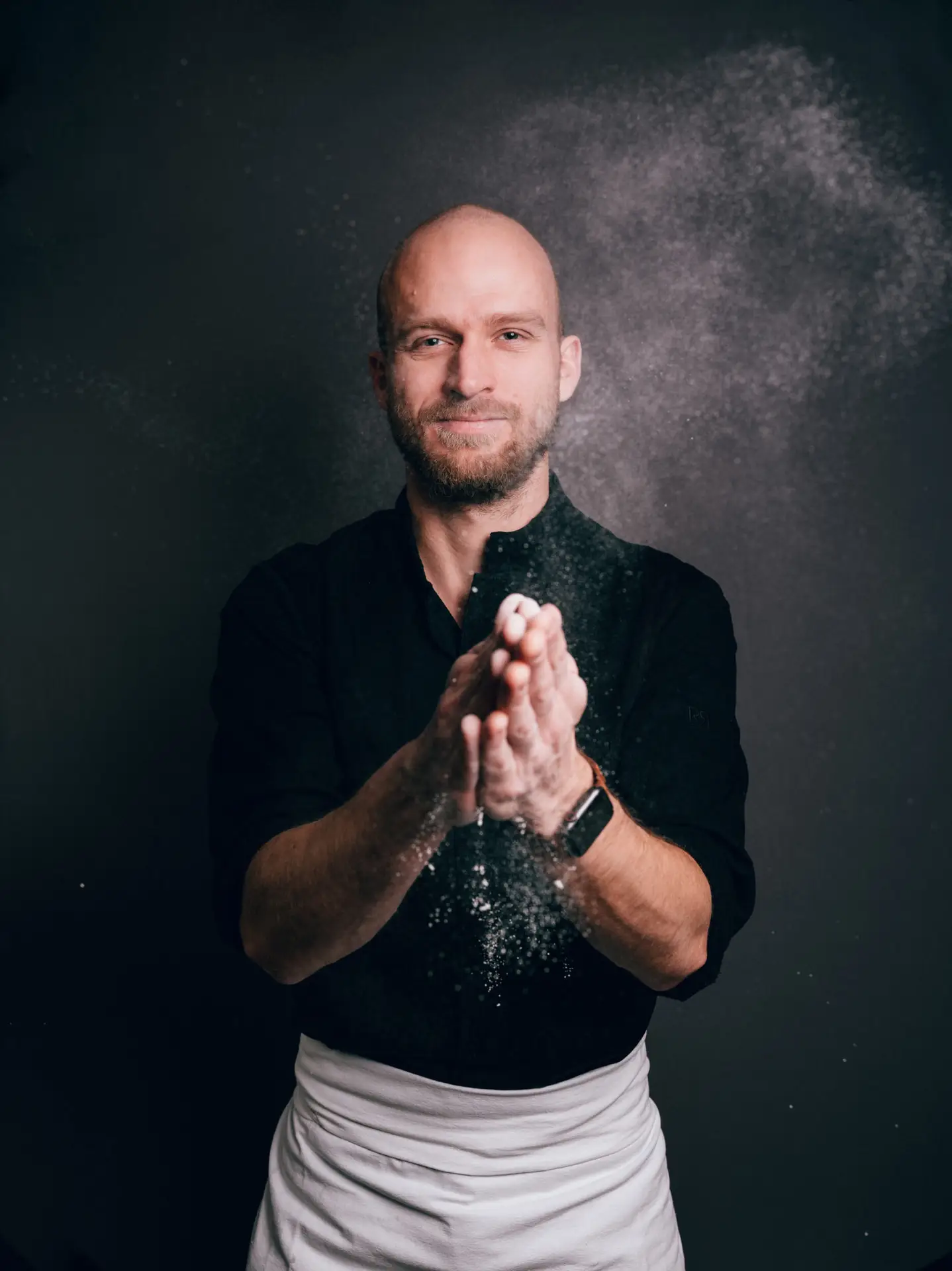
Photo 911, a culinary photographer based in Le Havre, accompanies restaurants, caterers, artisans and local producers in showcasing their gourmet creations.
Every dish deserves to be seen as much as tasted: a delicate dessert, a signature dish or a local product can become real visual communication tools. Our team puts its know-how at the service of your image to create photos that seduce your customers and partners alike.
With an approach that’s both artistic and technical, Photo 911 brings your culinary identity to the fore with shots tailored to your media: websites, menus, posters, social networks or advertising campaigns.
Based in Normandy, we can easily travel to Le Havre, Rouen, Caen or Deauville, to support regional gastronomy professionals.
To find out more about our other services, see also
And visit Le Havre’s official website to explore its dynamic cultural and gastronomic scene.
At Photo 911, every image tells a story: the story of your passion and expertise.
We transform your dishes and products into a unique visual experience – because in Le Havre, as elsewhere, taste begins with the eyes.
Culinary photography is much more than a simple snapshot of a dish: it’s the art of capturing the deliciousness, textures and warmth of a culinary creation through light and composition.
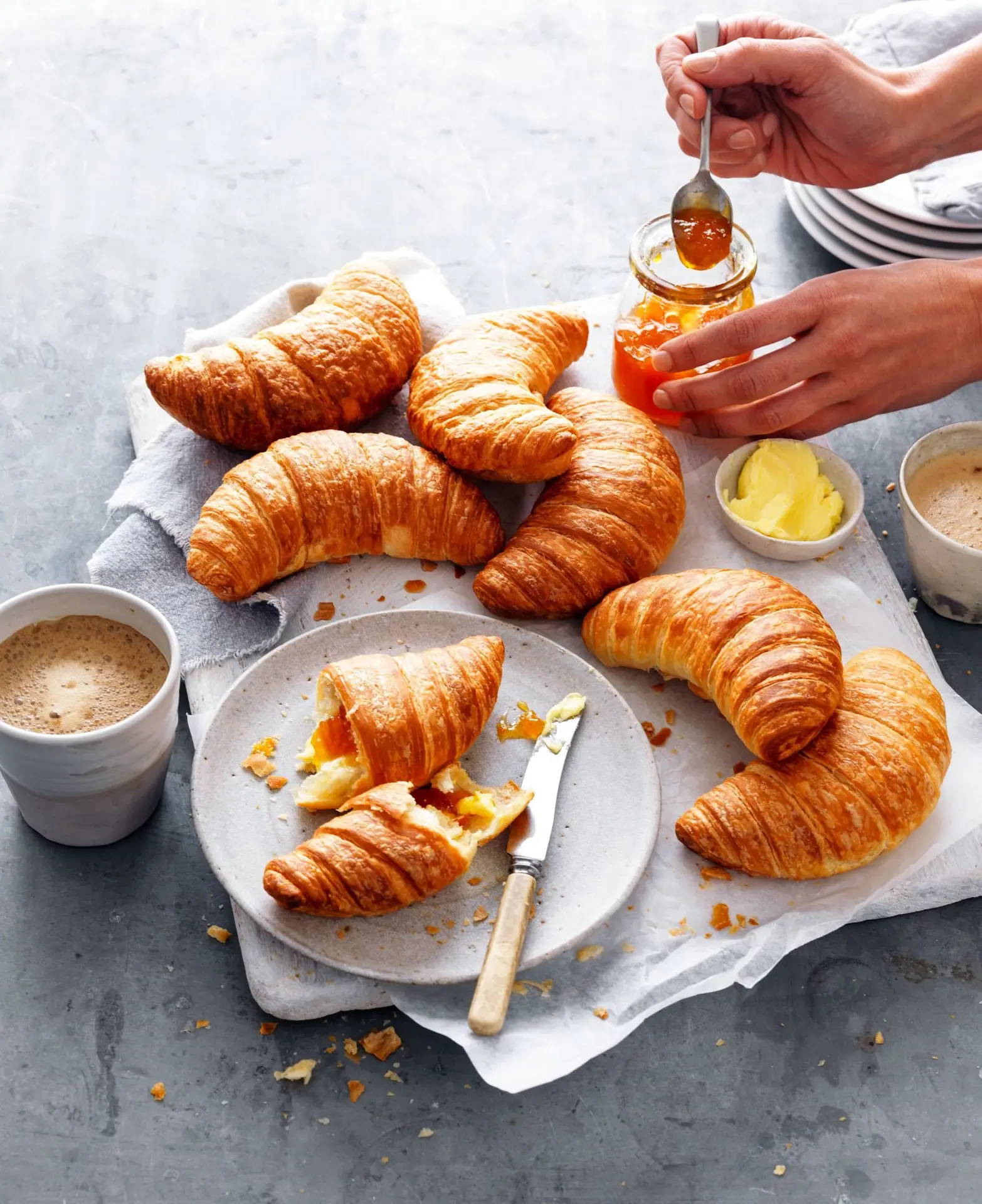
At Photo 911, your culinary photographer in Le Havre, we transform your dishes, desserts and artisanal products into visual works of art that arouse the appetite even before the first bite.
Our mission is to showcase your recipes, products and expertise through striking, appetizing images.
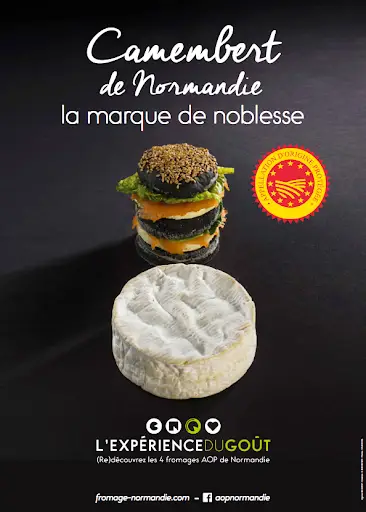
Whether you’re a Michelin-starred chef, a caterer, a baker, a local producer or a restaurateur in Le Havre, culinary photography is an essential asset for your communication: website, restaurant menu, social networks or advertising.
We use precise lighting, framing and composition to bring each ingredient to life and reveal the personality of your kitchen. Soft, controlled lighting, carefully chosen angles and an acute sense of detail guarantee authentic, elegant images.
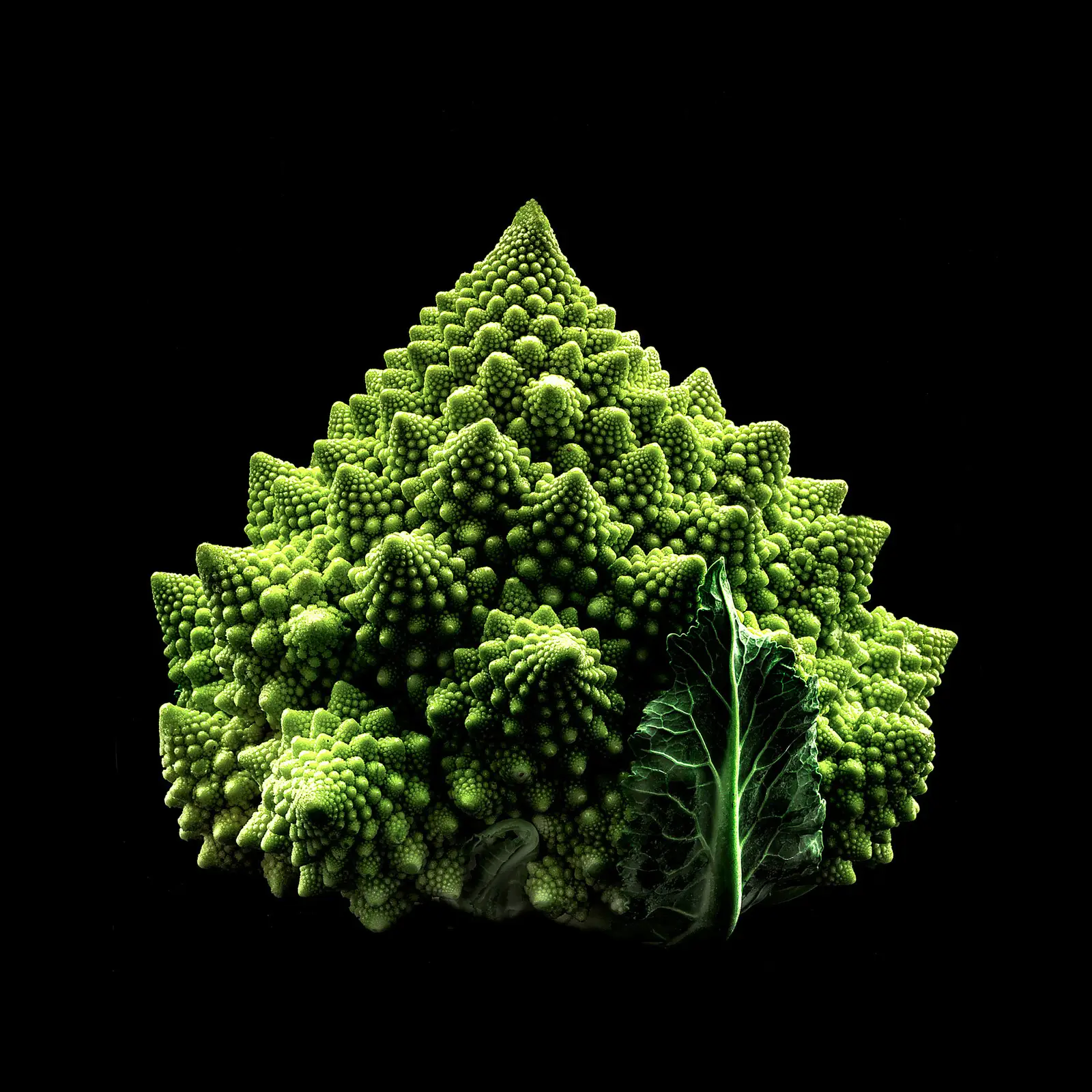
In food photography, light is the photographer’s main brush.
Photo 911 favors natural or diffused light, often obtained with professional softboxes, to reveal the texture of a dish without harsh shadows or excessive reflections.
We also adapt the composition and staging to your establishment’s universe – from friendly bistro to gourmet restaurant.
Our mastery of framing allows us to direct the eye and bring out the best in your products. We play with perspective, depth and contrast to bring each plate to life.
Our aim: to make you feel the flavour through the image.
We work closely with chefs, food stylists and artisans to ensure that the results we deliver live up to your expectations.
Each photo shoot is conceived as a creative experience where photographic technique meets gastronomic passion.
The food stylist adds the finishing touch to the presentation of the dishes, while our team ensures that every detail – steam, texture, shine – is perfectly captured.
This collective effort guarantees visuals that reflect the excellence of your cuisine.
Our culinary photographers in Le Havre use post-production software such asAdobe Photoshop and Lightroom, respecting the naturalness of the food.
Retouching is subtle: adjusting colors, correcting lighting and enhancing textures.
The aim is not to transform, but to sublimate reality.
Photo 911 scrupulously respects food safety standards during photo shoots.
The products handled are fresh, presented in optimal conditions, and the sessions are organized to avoid any deterioration of the food.
Professional culinary images attract the eye and boost sales.
They reinforce a brand’s visual identity and increase visibility on the web, particularly on Google Images, social networks or delivery platforms.
Many restaurants and food businesses in Le Havre use our services to improve their online presence.
See also our other services:
To explore the local gastronomic scene, check out Le Havre’s official website or the Le Havre Tourisme page, rich in gourmet addresses.
Rates vary according to the length of the session, the number of dishes photographed, the complexity of the staging and the need for retouching and styling.
Every project is unique: Photo 911 offers customized quotes, tailored to your needs and budget.
Want to bring your creations to life?
Contact Photo 911 today to discuss your project and get a customized quote.
We work not only in Le Havre, but also in Rouen, Caen, Deauville and throughout Normandy.
Request a quote for your culinary photo shoot in Le Havre
Discover our creations on Instagram
Food photography is an art form that showcases dishes and food in an attractive and appetizing way. But capturing the perfect shot can be a challenge. To succeed in this field, it’s important to understand the guidelines and compositional movements of food photography. These techniques help food photographers create images that are balanced, interesting and eye-catching.
The rule of thirds is one of the most commonly used compositional principles in photography, and can also be applied to food photography. This rule divides the image vertically and horizontally into thirds, creating nine equal sections.
Using this rule, the photographer can place the main subject of the image on one of the crossing points of the lines, creating a balanced and visually interesting composition.
For example, if you’re photographing a plate of food, you could place the main course on one of the crossing points of the rule of thirds. This would give the image a balanced and attractive composition.
Guidelines can be used to guide the viewer’s eye through the image and towards the main subject. These lines can be natural elements of the image, such as a table line or a glass line, or they can be created by the photographer using compositional elements such as diagonal lines.
For example, you could use the table line as a guideline to lead the viewer’s eye to the main course. Or you could create a diagonal line by placing elements such as kitchen utensils or ingredients obliquely across the image.
Depth of field is the area of sharpness in the image. By using a shallow depth of field, you can create a soft focus that emphasizes the image’s main subject.
In food photography, a shallow depth of field can be used to emphasize the main dish while blurring the background. This can help draw the viewer’s eye to the main course and make it stand out.
However, it is important to note that depth of field must be used with caution in food photography. If the depth of field is too shallow, the image may become blurred and unfocused.
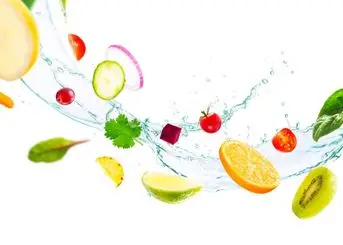
Color is an important element in food photography, as it can add depth and interest to the image. By using bright, contrasting colors, you can create a dynamic, attractive image.
However, it is important to
that the colors used are consistent with the dish photographed. Colors should be in harmony with the dish to create an attractive image.
Complementary colors can also be used to create an interesting visual contrast. For example, if the main course is orange, you can add purple or blue ingredients to create an interesting visual contrast.
Composition movement is a technique in which the photographer moves the camera during exposure to create an effect of movement in the image. This can be used to create a blurred effect or to give an impression of movement to the subject.
In food photography, compositional movement can be used to create a blurred effect around the main dish, giving the impression that the dish is in motion. This technique can help add interest and dynamics to the image.
Light is a crucial element in food photography. By using soft, diffused light, you can create a warm, comfortable atmosphere. By using stronger, higher-contrast light, you can create a more dramatic and striking atmosphere.
Light can also be used to highlight the main course. By using side lighting or backlighting, you can create shadows that enhance the texture and shape of the dish.
Use a tripod: A tripod can help stabilize the camera, resulting in sharper, clearer images.
Prepare the dish before you photograph it: Make sure the dish is attractively prepared and presented before you photograph it. Touch up unwanted elements and add the finishing touches to make the dish more appetizing.
Play with angles: Don’t hesitate to take photos from different angles to capture the dish from different angles. Try top-down, sideways and bird’s-eye shots to get different perspectives.
Use an appropriate background: Choosing the right background is important in food photography. Use neutral backgrounds, such as wooden boards or white backgrounds, to highlight the main course.
Retouch photos: Photo retouching can help improve the final image. You can adjust brightness, contrast and colors to achieve the desired effect.
By applying these tips and techniques, you can improve your food photography skills and create images that showcase dishes and food in an attractive, appetizing way.
What’s more, culinary photography isn’t limited to main courses. Desserts, drinks and individual ingredients can also be creatively and attractively photographed.
It’s important to remember that food photography is an art form, and requires patience, creativity and practice to succeed. By experimenting with different techniques and trying out new ideas, you can create unique and interesting images that reflect your personal style.
Finally, it’s also important to remember that food photography can be a lucrative business. Catering companies, cooking magazines and food blogs are all potential customers for food photographers. By using high-quality food photography techniques, you can create images that meet the needs of these customers and encourage them to use your services.
Finally, guidelines and compositional movements in food photography are important elements in creating successful images. Using these techniques, along with additional tips for food photography, food photographers can create images that showcase dishes and food in an appealing and appetizing way, while building their business and career in food photography.