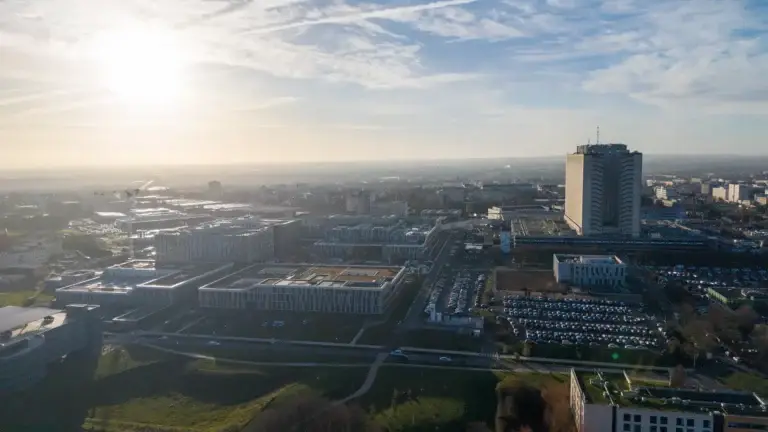
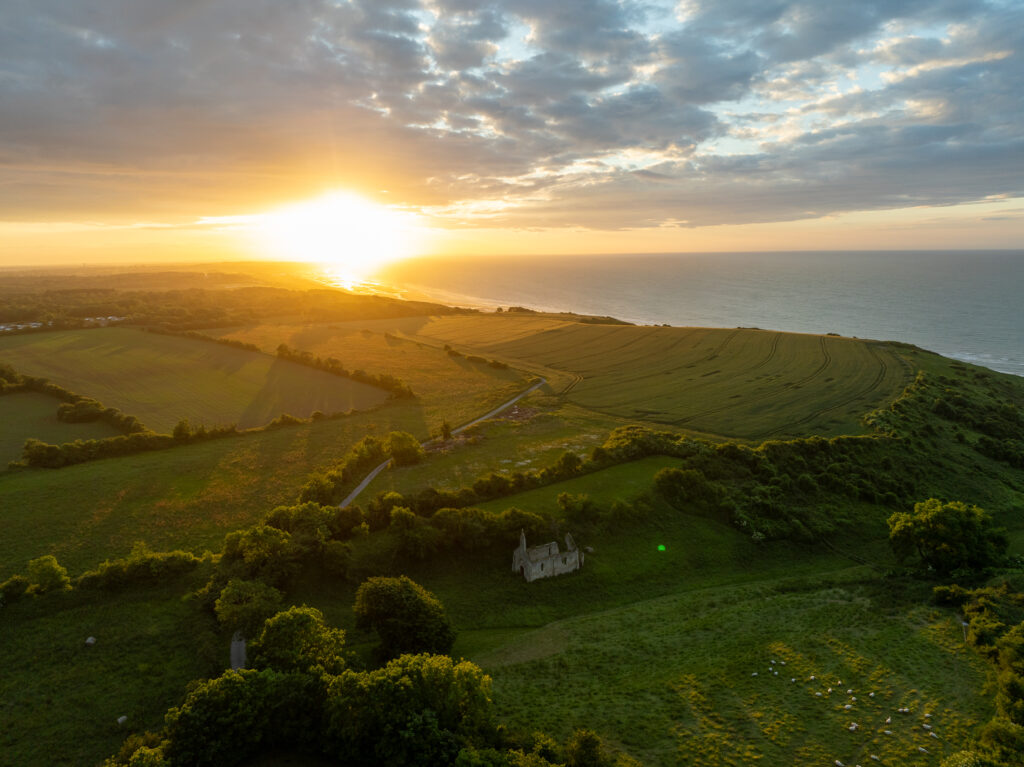
It’s now official. On Sunday, July 26, 2026, in Busan, South Korea, the 48th session of the World Heritage Committee inscribed the D-Day Beaches on the UNESCO World Heritage List. Nearly twenty years after the initial efforts began, the Normandy coastline joins Mont-Saint-Michel among the sites recognized as having outstanding universal value. For Normandy—and for everyone who works there—this is a momentous event. Here’s what you need to know—and how this designation will change things, particularly for those in the tourism industry.
What is written, specifically
The inscribed property is named “D-Day Beaches, Normandy 1944.” It stretches along more than 80 kilometers of coastline, between Manche and Calvados, and comprises six sites: the five beaches of June 6, 1944—Utah Beach, Omaha Beach, Gold Beach, Juno Beach, and Sword Beach—as well as Pointe du Hoc.
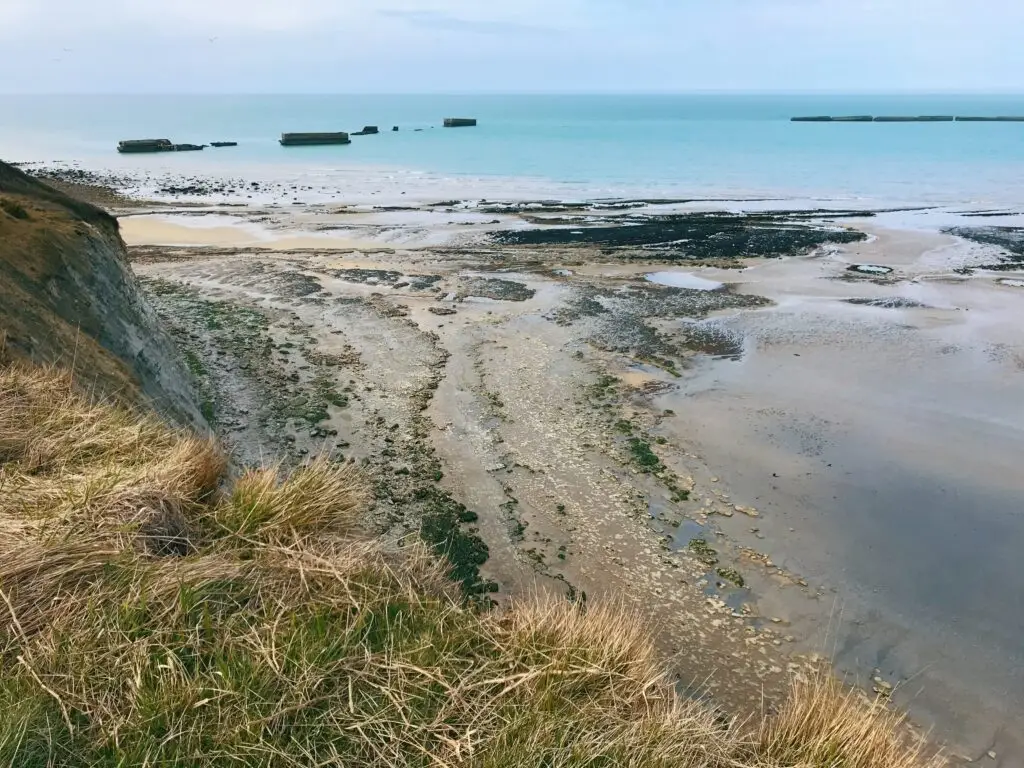
Within this area, an entire landscape of remembrance is brought to light: the remains of the artificial harbor at Arromanches, the Longues-sur-Mer battery, the military cemeteries, and the museums that dot the coast.
Normandy now has four World Heritage sites, in addition to Mont-Saint-Michel and its bay, the reconstructed historic center of Le Havre, and the Vauban fortifications at Saint-Vaast-la-Hougue and Tatihou.
Twenty Years of Waiting
The Normandy Region launched the initiative in 2008, before the project was added to France’s Tentative List in 2014. Submitted in 2018, the application was then put on hold for an extended period while UNESCO clarified its position on sites associated with recent conflicts. After being revived, the nomination received a favorable opinion from ICOMOS in September 2025, prior to the decision on July 26, 2026.
“This decision requires us to preserve this property and to protect it.”
— Hervé Morin, President of the Normandy Region
Beyond the emotional impact, the designation comes with responsibilities: France will have to implement a specific management plan to preserve these sites, improve visitor services, and pass on this legacy to future generations.
More than two million visitors a year — and rising expectations
The D-Day beaches already welcome more than two million visitors each year. During the 80th anniversary of the D-Day landings in June 2024, 775,000 people gathered along the coast over the course of nine days. With this designation, the Region anticipates a 20 to 30 percent increase in visitor numbers.
The “UNESCO effect” is well documented: increased international visibility, longer stays, and the arrival of new customer segments—notably American, British, and Canadian—who are particularly attentive to the quality of hospitality. The management plan accompanying the designation explicitly aims to elevate the quality of the tourism offerings.
For hotels, restaurants, museums, tourist attractions, and coastal communities, the message is clear: the destination is changing its status—and visitors’ expectations are changing along with it.
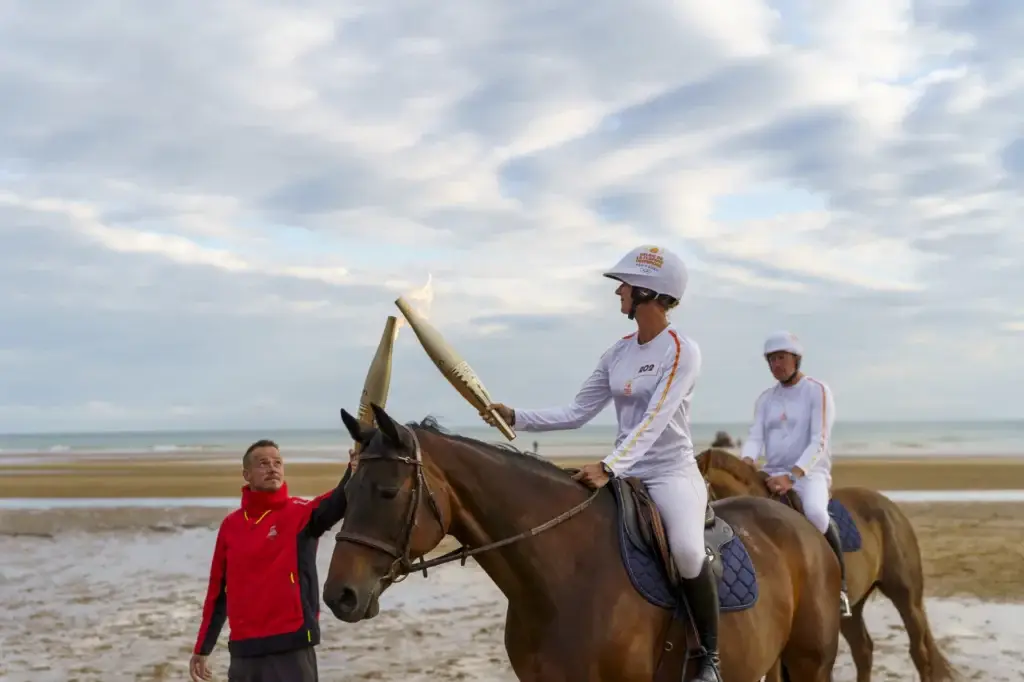
For those in the Normandy tourism industry, image is becoming a strategic factor
International guests plan their stays online well in advance and compare options. What they see about your property—the accuracy of the photos, the quality of a promotional video—directly influences their decision to book with you rather than elsewhere.
For the past twenty years, our team of photographers in Normandy has been helping local businesses and institutions shape their public image. For those in the tourism industry, this involves specific needs:
- accurate and carefully composed photographs of the property: rooms, common areas, terraces, facades, and ocean views;
- food photography, for menus, booking websites, and social media;
- event coverage during commemorations, inaugurations, and other highlights of the season;
- a promotional video about your institution or region;
- Aerial photography of the coastline, via our dedicated website drone-normandie.com, in strict compliance with the regulations governing the areas surrounding memorial sites.
One principle guides us in these assignments: to portray these places accurately. In a region that is now a World Heritage Site, an inaccurate image will no longer meet the expectations of visitors.
The D-Day Beaches Through Our Lens
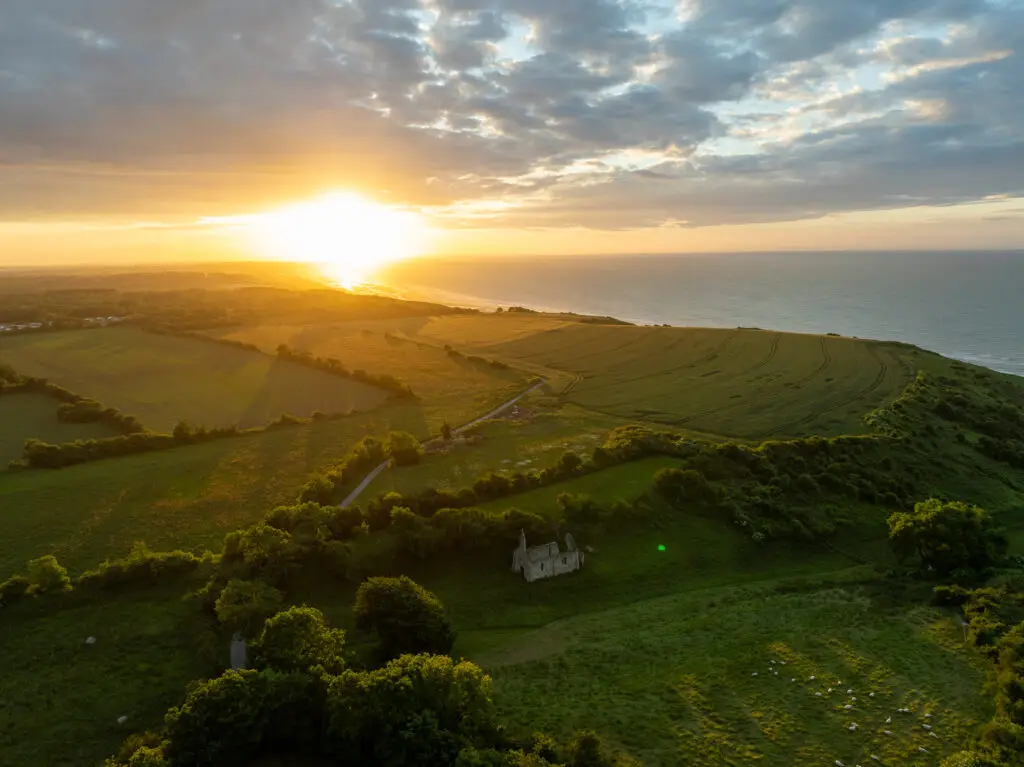
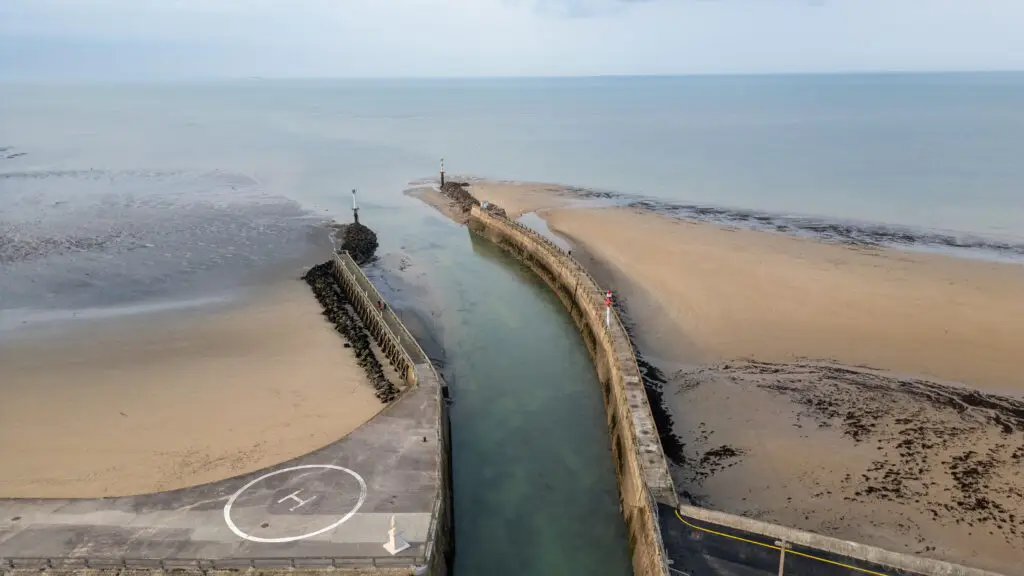
We’ve been photographing these landscapes for years: the shifting light of the Côte de Nacre, the spring tides at Omaha Beach, the cliffs of Pointe du Hoc. These are challenging places to photograph—and that’s precisely what makes them so compelling.
Frequently asked questions
Which D-Day beaches are designated as UNESCO World Heritage Sites?
The “D-Day Beaches, Normandy 1944” site encompasses the five beaches of June 6, 1944 — Utah, Omaha, Gold, Juno, and Sword — as well as Pointe du Hoc, covering more than 80 kilometers of coastline between the English Channel and Calvados.
When was the decision made?
On Sunday, July 26, 2026, during the 48th session of the UNESCO World Heritage Committee, held in Busan, South Korea.
How does the ranking affect visitors?
The beaches remain freely accessible. However, the designation commits France to a management plan that includes enhanced preservation of the sites and improvements to visitor services and educational programs. A significant increase in visitor numbers is expected as early as the coming seasons.
How many visitors do the D-Day beaches welcome?
More than two million visitors a year. The 80th anniversary, in June 2024, drew 775,000 people over nine days. The Normandy Region expects a 20 to 30 percent increase with the registration.
Is it allowed to take professional photos or videos on the beaches?
Yes. Beaches are generally public spaces; however, certain locations (museums, military cemeteries, managed sites) have their own rules and require authorization. Drone photography is subject to aviation regulations—our team of drone pilots operates within this framework through drone-normandie.com.
Are you getting ready for the upcoming season? Whether you run a hotel, restaurant, museum, tourist office, or local government agency, prepare for the influx of visitors by polishing your image now. Let’s talk about your project.